

Automatic Chicken Layer Farms: Top Manufacturer for Efficient Solutions
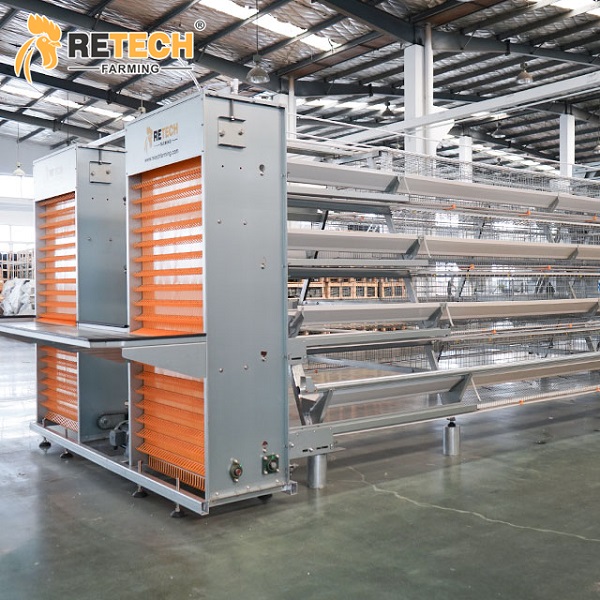
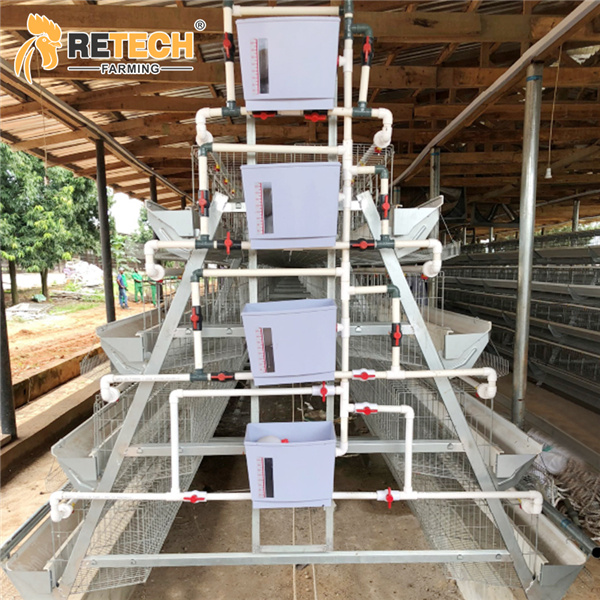
At our Chicken Layer Farms, I understand the importance of efficiency and productivity in your poultry business. That's why we specialize in providing top-of-the-line automatic systems designed for large-scale operations. As a trusted manufacturer, we’ve perfected our technology to ensure that your layers are always healthy and productive, giving you peace of mind and maximum yield. Our automatic systems optimize feeding, watering, and egg collection, minimizing labor costs while enhancing the welfare of your hens. I know how crucial reliability is, so we implement rigorous quality control measures throughout the manufacturing process to deliver durable, efficient solutions that continuously outperform the competition. Partnering with us means having access to innovative technology that not only supports your operational goals but also contributes to sustainability in the poultry industry. Invest in your farm's future with our Chicken Layer Farms solutions, and watch your productivity soar while you focus on growing your business!

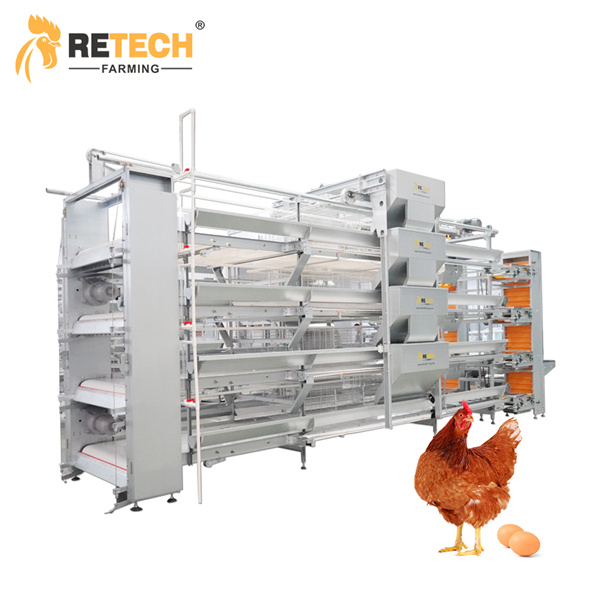
Chicken Layer Farms in 2025 More Than a Supplier - A Partner
In the evolving landscape of poultry farming, the role of chicken layer farms is shifting from mere suppliers to integral partners in the supply chain. As we look toward 2025, global procurement agents recognize the importance of collaboration in achieving sustainable growth and efficiency. A new model is emerging where chicken layer farms not only provide high-quality eggs but also engage in knowledge sharing, technological innovation, and logistical support, enhancing value for both the producer and the consumer. This partnership approach encourages open communication and transparency, fostering trust between producers and buyers. By leveraging advanced technologies in farming practices, farms can optimize production, ensure biosecurity, and maintain high standards of animal welfare. Procurement agents can benefit from this synergy by gaining access to innovative solutions that enhance supply chain reliability and reduce risks associated with fluctuating market demands. Moreover, as the industry faces challenges such as climate change and growing consumer preferences for ethically sourced products, collaboration becomes essential. Chicken layer farms that position themselves as partners can offer insights into sustainable practices and contribute to the shared goal of responsible consumption. Together, suppliers and buyers can navigate these complexities, driving forward a future where quality and sustainability are at the forefront of poultry farming.
Chicken Layer Farms in 2025 More Than a Supplier - A Partner
| Farm ID | Location | Total Layers | Egg Production (Daily) | Sustainability Practices |
|---|---|---|---|---|
| 001 | California, USA | 150,000 | 120,000 eggs | Solar Energy, Waste Management |
| 002 | Texas, USA | 200,000 | 150,000 eggs | Organic Feed, Water Recycling |
| 003 | Ontario, Canada | 180,000 | 140,000 eggs | Biodiversity Practices, Low-Emission Vehicles |
| 004 | New South Wales, Australia | 220,000 | 160,000 eggs | Free Range, Carbon Neutral Initiatives |
| 005 | Germany | 160,000 | 130,000 eggs | Cage-Free, Renewable Energy Sources |
Related Products
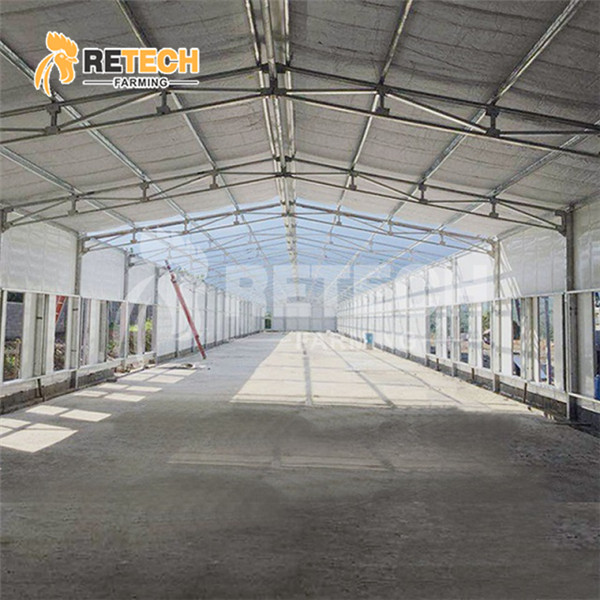

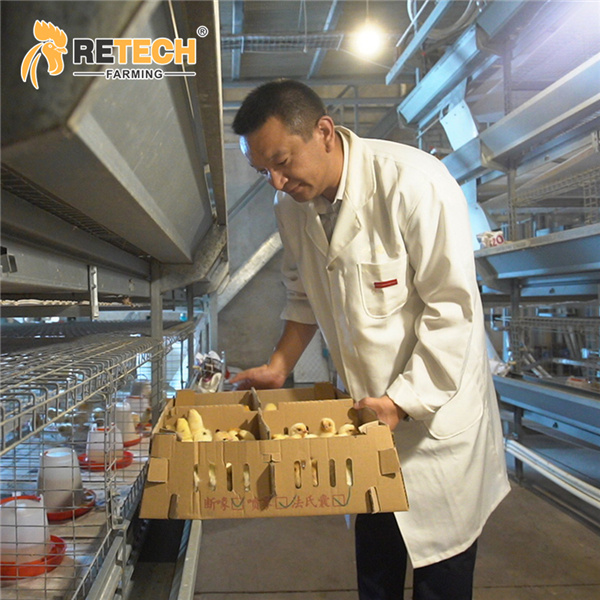

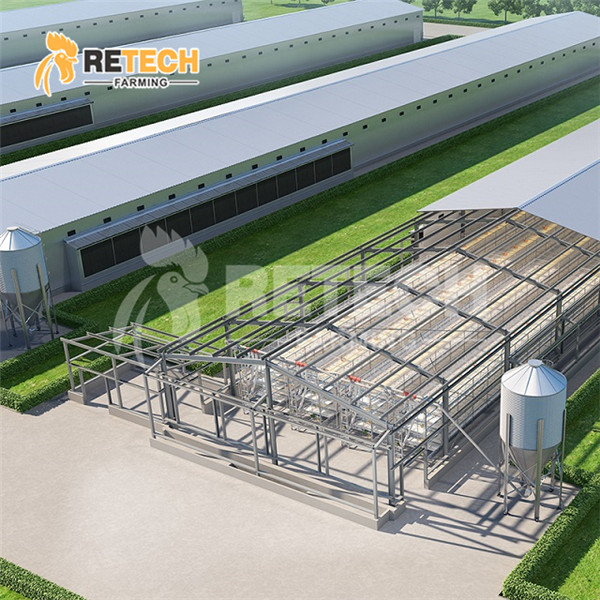
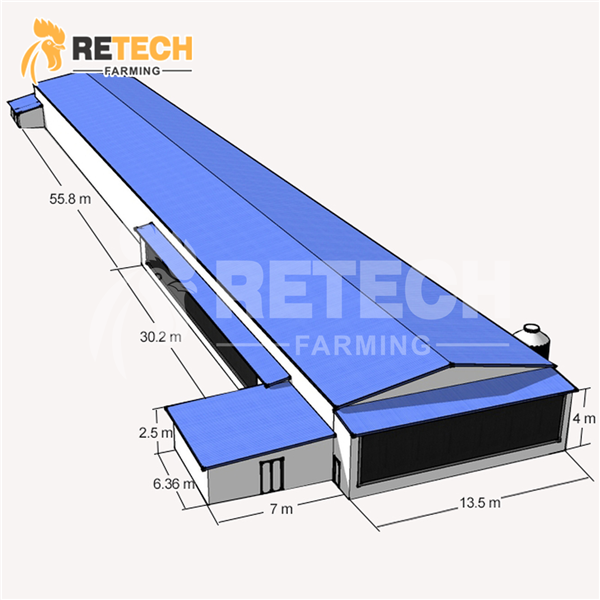
Chicken Layer Farms Supplier Outperforms the Competition
Top Selling Products
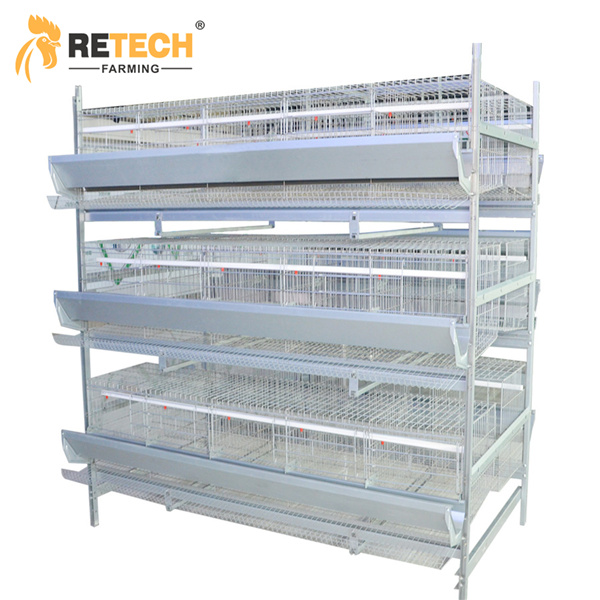
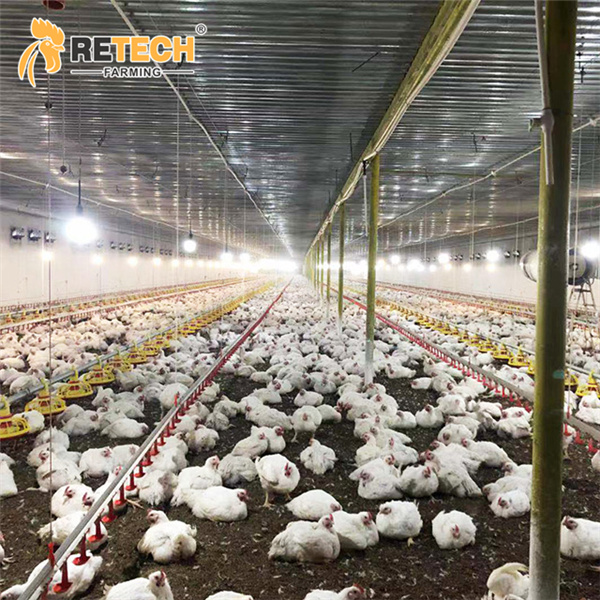

- Related Blog
- Reviews


Chicken Farms, Poultry Farm Equipment, Layer Cage, Poultry Farm, Chicken Cage, Chicken Farm,
No.6 Changcheng South Road, Chengyang District, Qingdao, China
Send your message to us:


