

Automated Poultry House Design by Leading Manufacturers for Optimal Efficiency
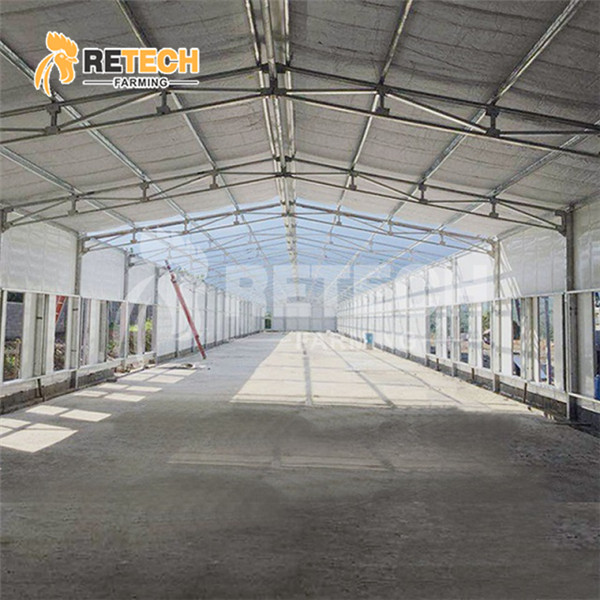
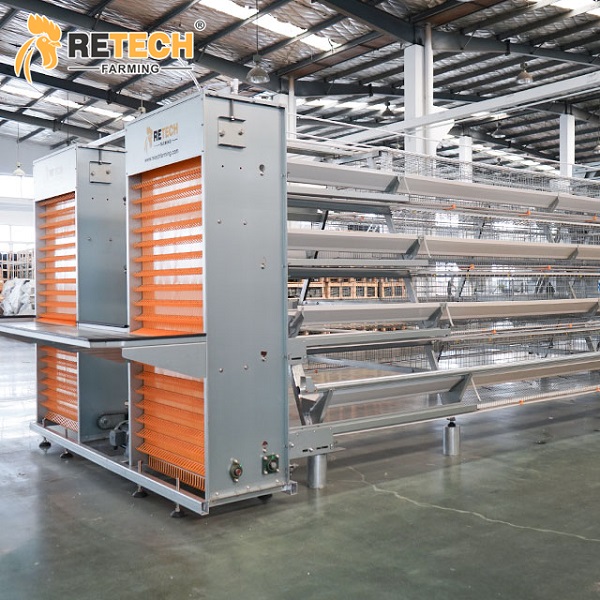
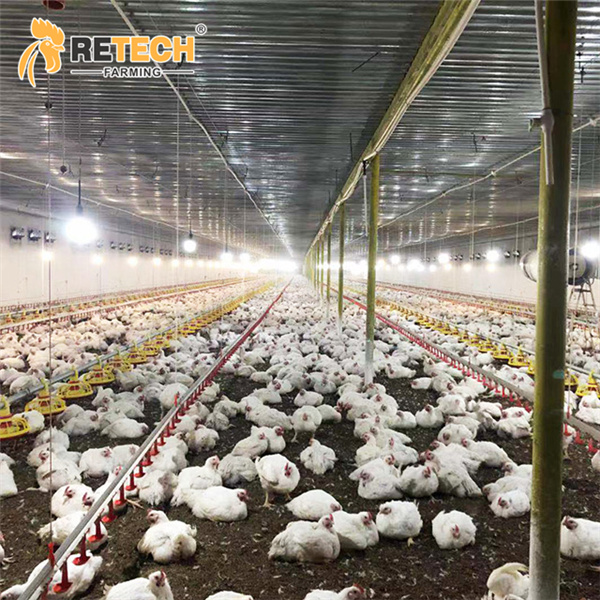
When it comes to poultry house design, I understand the importance of efficiency and automation in today’s farming practices. That’s why I’ve partnered with top manufacturers who specialize in creating cutting-edge, automated poultry housing solutions. These designs not only enhance the living conditions for your birds but also streamline your overall operations. Imagine a poultry house that integrates advanced climate control systems, automated feeding, and watering solutions—all tailored to maximize productivity. With our innovative designs, you can reduce labor costs and improve flock health, while also ensuring compliance with animal welfare standards. I’m committed to helping B2B purchasers like you find the perfect solution that meets your needs. Let’s work together to transform your poultry farming experience into something more efficient and profitable. Contact me today to learn more about the latest in automated poultry house designs and how they can benefit your operation.
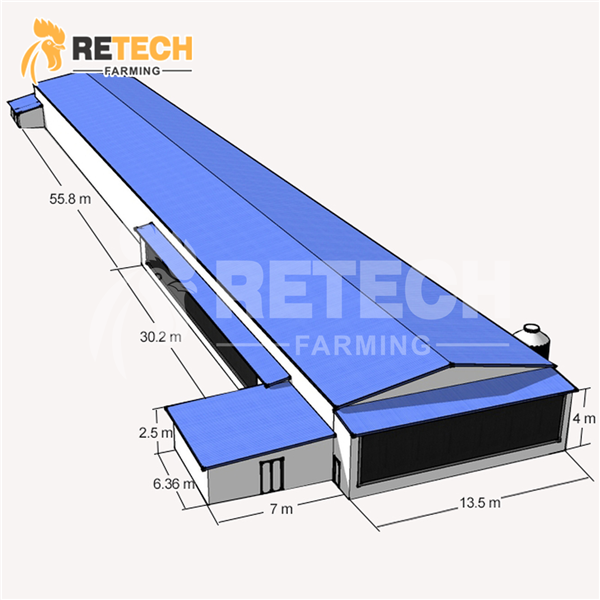
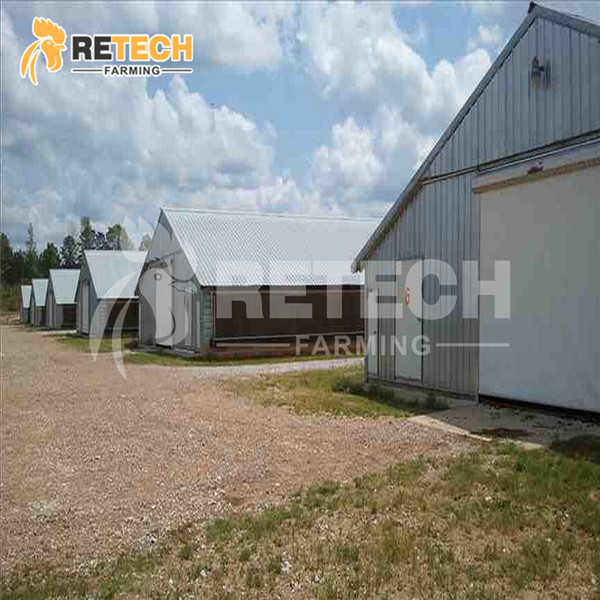
poultry house design in 2025 Ahead of the Curve
As we approach 2025, the poultry farming industry is undergoing a significant transformation, driven by technological advancements and sustainable practices. The design of poultry houses is becoming more sophisticated to meet the demands for efficiency, animal welfare, and environmental responsibility. Innovative designs are now incorporating smart technology that enables farmers to monitor and manage conditions in real-time, optimizing the living environment for poultry. This not only enhances productivity but also reduces the carbon footprint of poultry operations. Modern poultry house designs are focusing on better ventilation, lighting, and space management, ensuring that each bird has access to a comfortable living space. Additionally, the integration of automated feeding and waste management systems is revolutionizing the way poultry farms operate. These advancements lead to reduced labor costs and lower disease incidence, making poultry farming more sustainable and profitable for global producers. As consumers increasingly demand high-quality, responsibly sourced poultry products, investing in advanced poultry house design becomes essential for farmers looking to remain competitive. Forward-thinking designs present an opportunity to not only meet current market needs but also to anticipate future trends in poultry farming, ensuring that businesses are ahead of the curve in a rapidly evolving industry landscape.
Poultry House Design in 2025 Ahead of the Curve
| Feature | Description | Benefits |
|---|---|---|
| Automated Ventilation | Smart systems that adjust airflow based on temperature and humidity | Improves bird health and reduces feed conversion ratio |
| Energy-Efficient Heating | Radiant heating systems using renewable energy sources | Lowers energy costs and enhances comfort |
| Biosecurity Features | Isolation zones and controlled entrance systems | Reduces disease transmission risk among poultry |
| Smart Monitoring Systems | IoT devices for health, feeding, and environmental monitoring | Provides real-time data for proactive management |
| Modular Design | Flexible structures that can be expanded or rearranged | Adapts to changing production needs |
Related Products

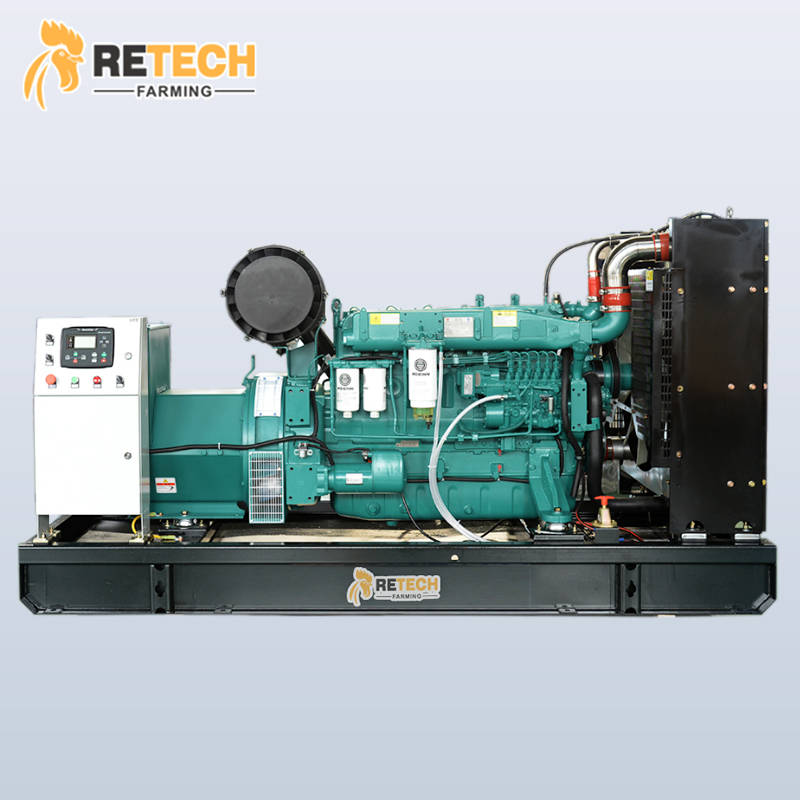


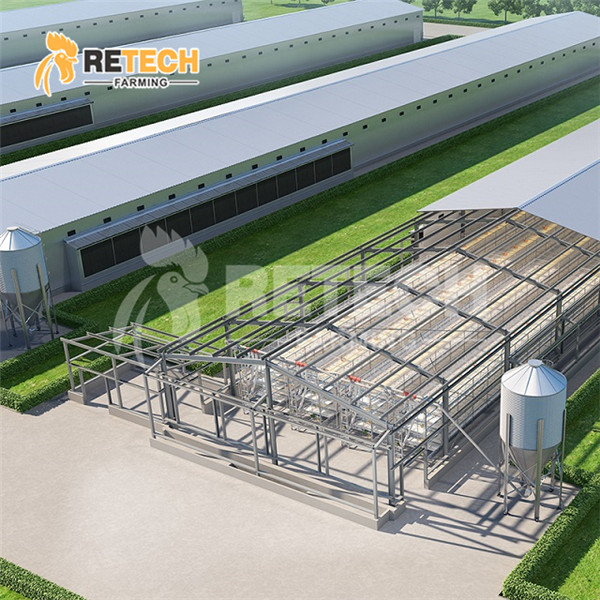
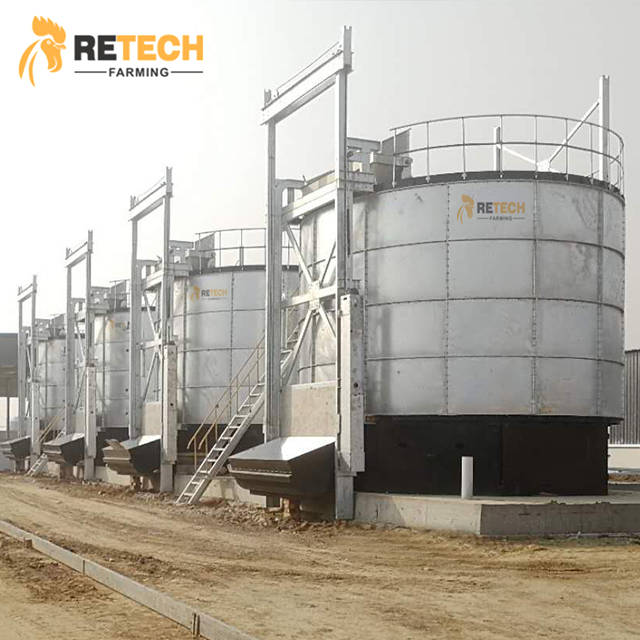

poultry house design Trusted by Pros Winning in 2025
Top Selling Products
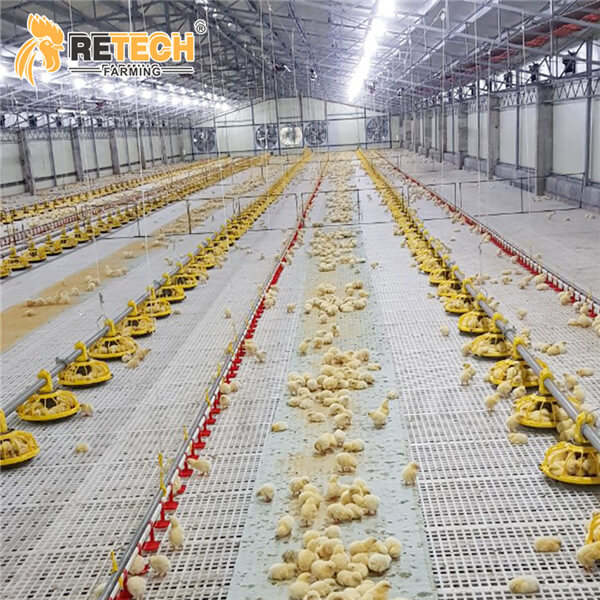
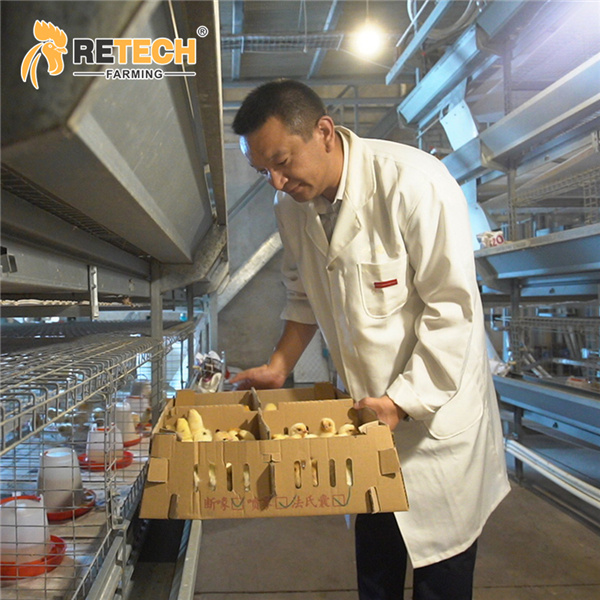
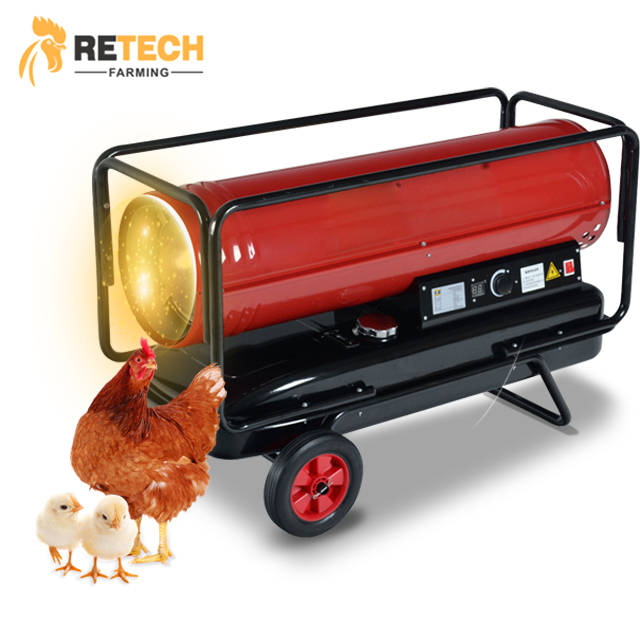
- Related Blog
- Reviews


Chicken Cage, Layer Cage, Poultry Farm, Chicken Farms, Poultry Farm Equipment, Poultry House Equipment,
No.82 Chunyang Road, Chengyang District, Qingdao, China
Send your message to us:


