

Automated Egg Laying Chicken Farming Solutions from Leading Manufacturers
As a dedicated professional in egg laying chicken farming, I understand the challenges you face in optimizing production while ensuring the highest quality standards. That's why I’m excited to offer advanced automated solutions tailored for your needs. Our cutting-edge systems from reliable manufacturers streamline operations, making it easier to manage your flock efficiently. Imagine having the ability to monitor feeding, health, and egg production with just a few clicks, allowing you to focus on what truly matters—growing your business and achieving maximum yields. These automated systems not only save you time but also reduce labor costs and enhance overall productivity. Partnering with us means gaining access to innovative technologies and expert support that can elevate your chicken farming practices. If you’re serious about scaling your operations and staying ahead in the market, let's work together to transform your egg production process. Your success in egg laying chicken farming starts here!
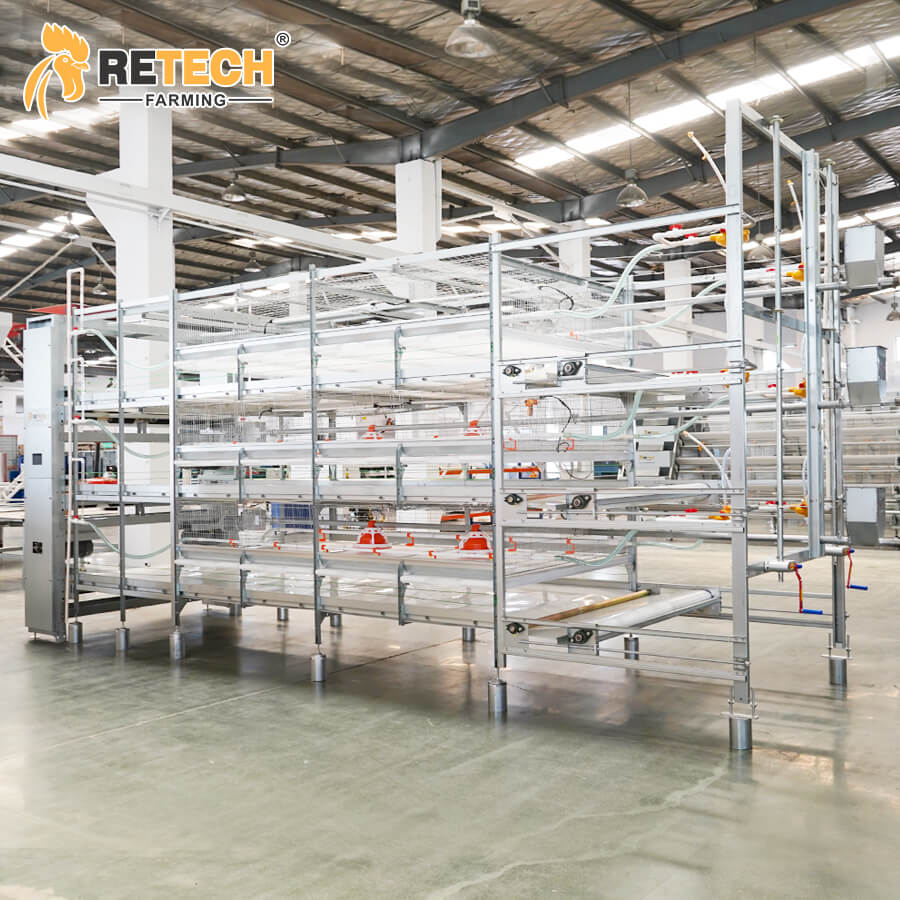
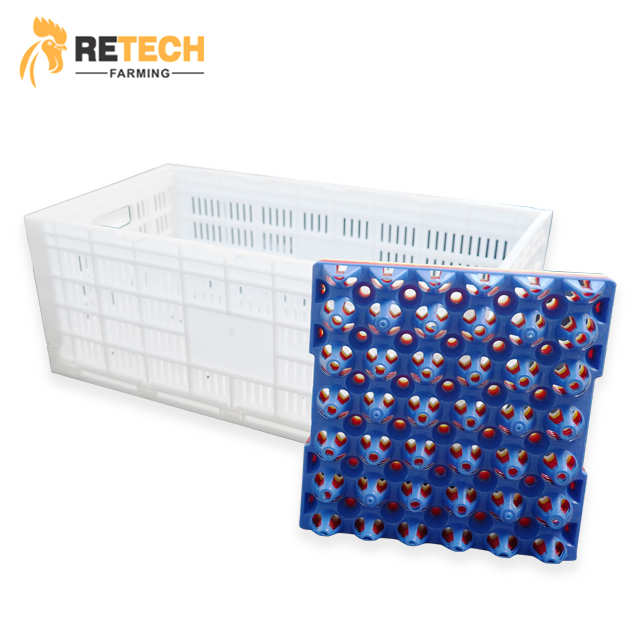

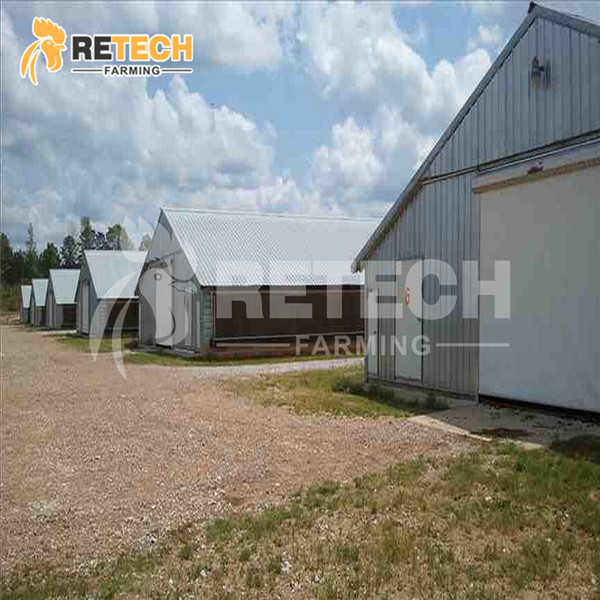
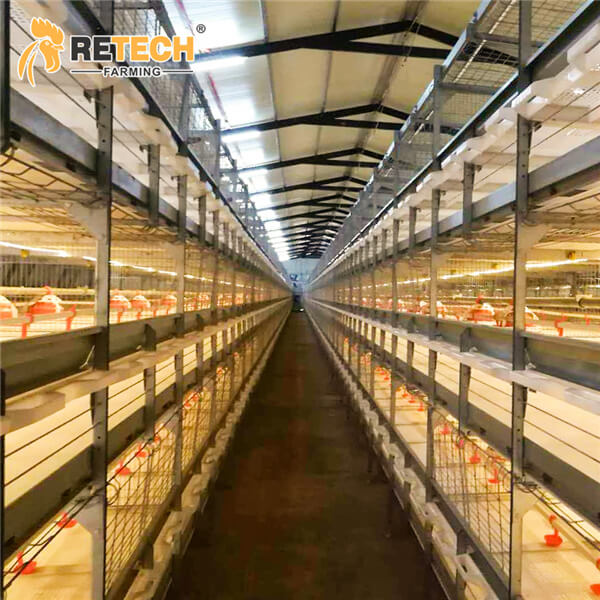

Egg Laying Chicken Farming Trusted by Pros Sets the Industry Standard
In recent years, the egg-laying chicken farming industry has evolved, driven by advancements in technology and best practices that set new standards for quality and efficiency. Farmers and businesses around the world are now prioritizing sustainability, animal welfare, and productivity. As a key player in the industry, many operations have embraced innovative breeding techniques and modern farming solutions to enhance egg production while maintaining high standards of care for the chickens. This approach not only increases output but also addresses consumer demand for ethically sourced products. The integration of smart farming technologies enables producers to monitor and optimize conditions throughout the production cycle. From automated feeding systems to climate control mechanisms, these innovations ensure that hens are kept in optimal environments, which translates to better health and enhanced egg quality. Moreover, data-driven insights help farmers make informed decisions, increasing operational efficiency and reducing waste. As global demand for eggs continues to rise, relying on tried and tested methods is no longer sufficient. The industry must adapt and embrace practices that foster sustainability and meet regulatory requirements while appealing to the eco-conscious consumer. By investing in state-of-the-art technologies and adhering to industry standards, farms are not only securing their place in a competitive market but also contributing to a more responsible and sustainable agricultural future.
| Farm Location | Egg Production (dozens/day) | Breed Type | Farm Size (acres) | Earnings (per quarter) |
|---|---|---|---|---|
| California | 250 | Leghorn | 50 | $150,000 |
| Texas | 300 | Rhode Island Red | 70 | $180,000 |
| Florida | 200 | Plymouth Rock | 40 | $120,000 |
| Ohio | 275 | Sussex | 60 | $140,000 |
| Iowa | 320 | Araucana | 80 | $200,000 |
Related Products

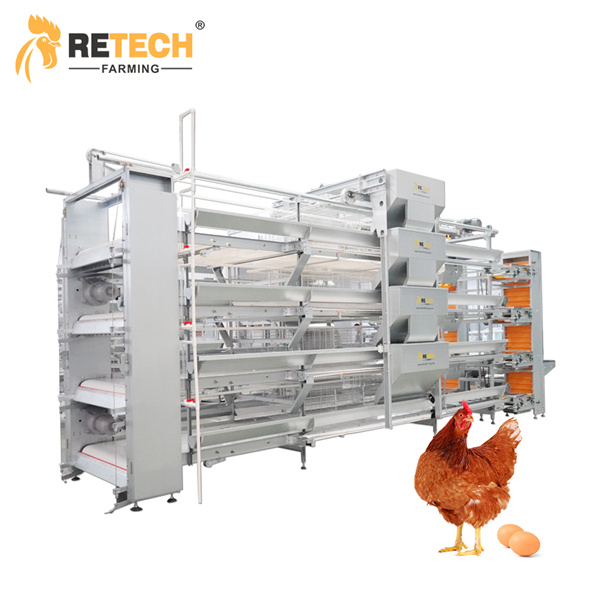

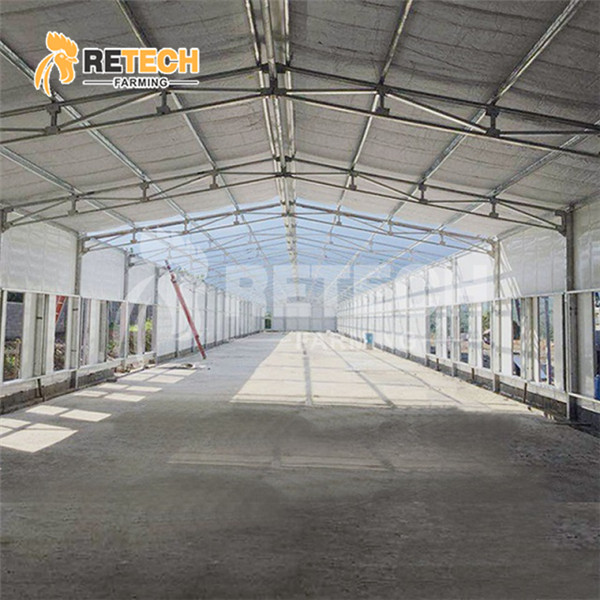
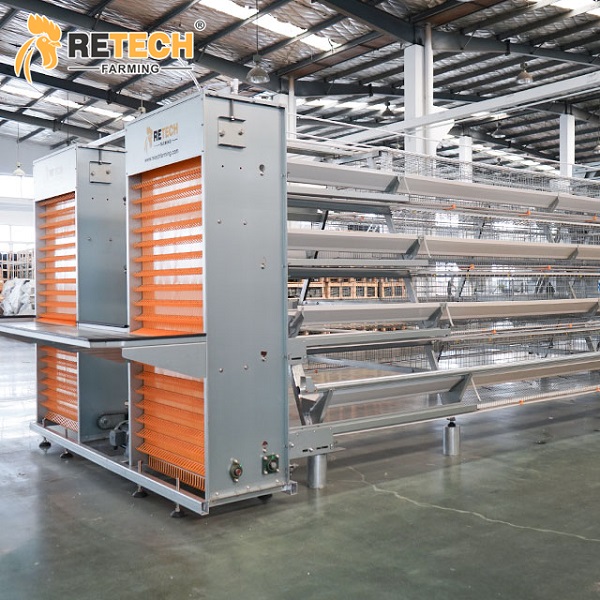
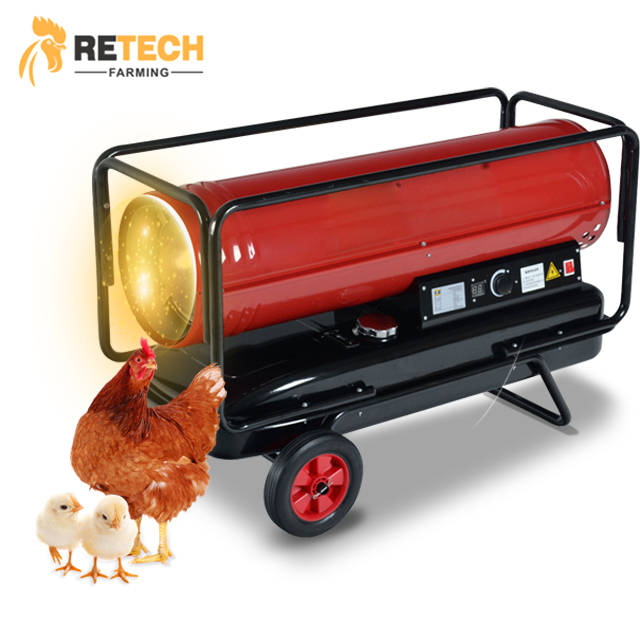

Egg Laying Chicken Farming Now Trending Delivers Unmatched Quality
Top Selling Products

- Related Blog
- Reviews


Chicken Farms, Chicken Cage, Poultry House Equipment, Layer Cage, Poultry Farm, Poultry Farm Equipment,
No.82 Chunyang Road, Chengyang District, Qingdao, China
Send your message to us:


