

Automatic Chicken Layer Farm Solutions from Leading Manufacturers
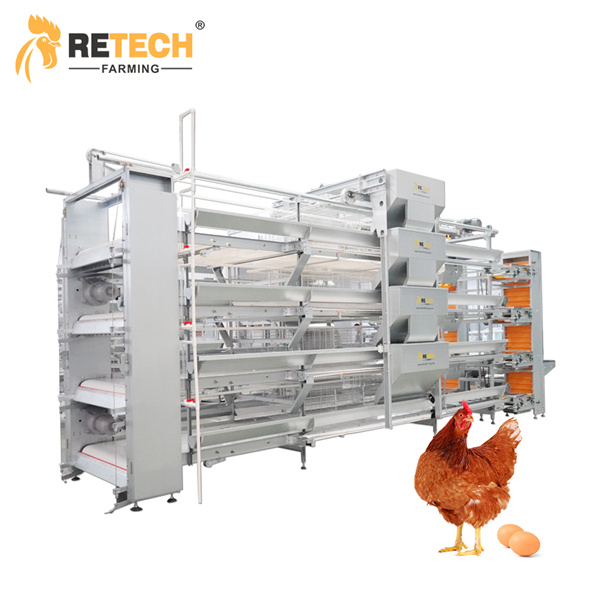
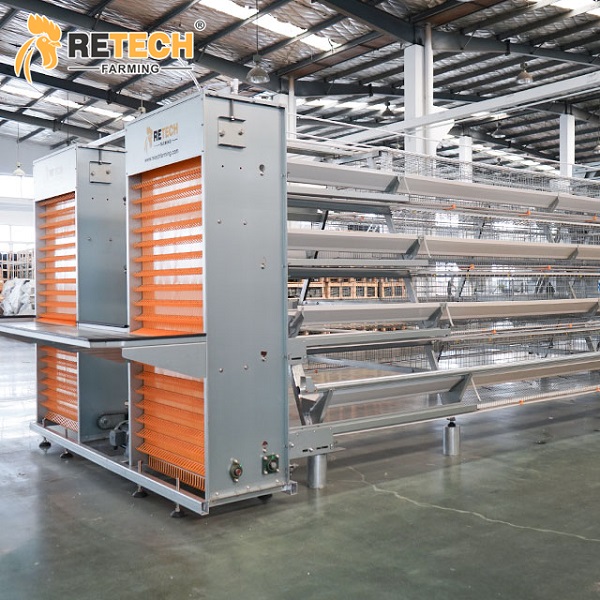
When I think about optimizing efficiency in my Chicken Layer Farm, I can't help but emphasize the need for automatic solutions. As a manufacturer dedicated to quality and innovation, we provide state-of-the-art automatic systems that boost productivity while minimizing labor costs. Imagine a farm where feeding, watering, and egg collection are seamlessly automated, allowing you to focus on expanding your business. Our systems are designed with the unique needs of layer farms in mind, ensuring that every hen receives optimal care. Plus, the technology we use is energy-efficient, making it not just a smart investment but also an environmentally friendly choice. In a competitive market, having advanced equipment gives you the edge to thrive. Let’s optimize your operations and revolutionize your poultry farming experience together!


Chicken Layer Farm Winning in 2025 Outperforms the Competition
As we look towards 2025, the poultry farming industry is experiencing rapid transformation, driven by advancements in technology and changing consumer demands. The chicken layer farm segment, in particular, is set to outperform its competition by adopting innovative farming practices and leveraging smart agriculture. Effective management of resources, enhanced biosecurity measures, and a strong focus on sustainability will play crucial roles in shaping a competitive edge in this sector. A successful chicken layer farm will prioritize technology integration. By utilizing data analytics and IoT solutions, farmers can optimize feeding strategies, monitor flock health, and improve egg production rates. Automation in farm operations not only reduces labor costs but also increases efficiency, allowing producers to respond quickly to market fluctuations. Furthermore, sustainability initiatives, such as waste recycling and renewable energy systems, will attract environmentally-conscious consumers and buyers alike. In this evolving landscape, collaboration and strategic partnerships will be essential for growth. Farmers who embrace innovative practices and establish strong supply chain relationships will position themselves to meet the increasing global demand for high-quality poultry products. As the industry continues to advance, those who adapt and evolve will undoubtedly emerge as leaders by 2025, effectively outperforming their competition and contributing to a more sustainable food system.
Chicken Layer Farm Winning in 2025 Outperforms the Competition
| Farm Location | Layer Count | Egg Production (per year) | Feed Conversion Ratio | Profit Margin (%) |
|---|---|---|---|---|
| Region A | 50,000 | 15,000,000 | 1.5 | 28% |
| Region B | 75,000 | 22,500,000 | 1.4 | 32% |
| Region C | 30,000 | 9,000,000 | 1.6 | 25% |
| Region D | 40,000 | 12,000,000 | 1.4 | 30% |
Related Products


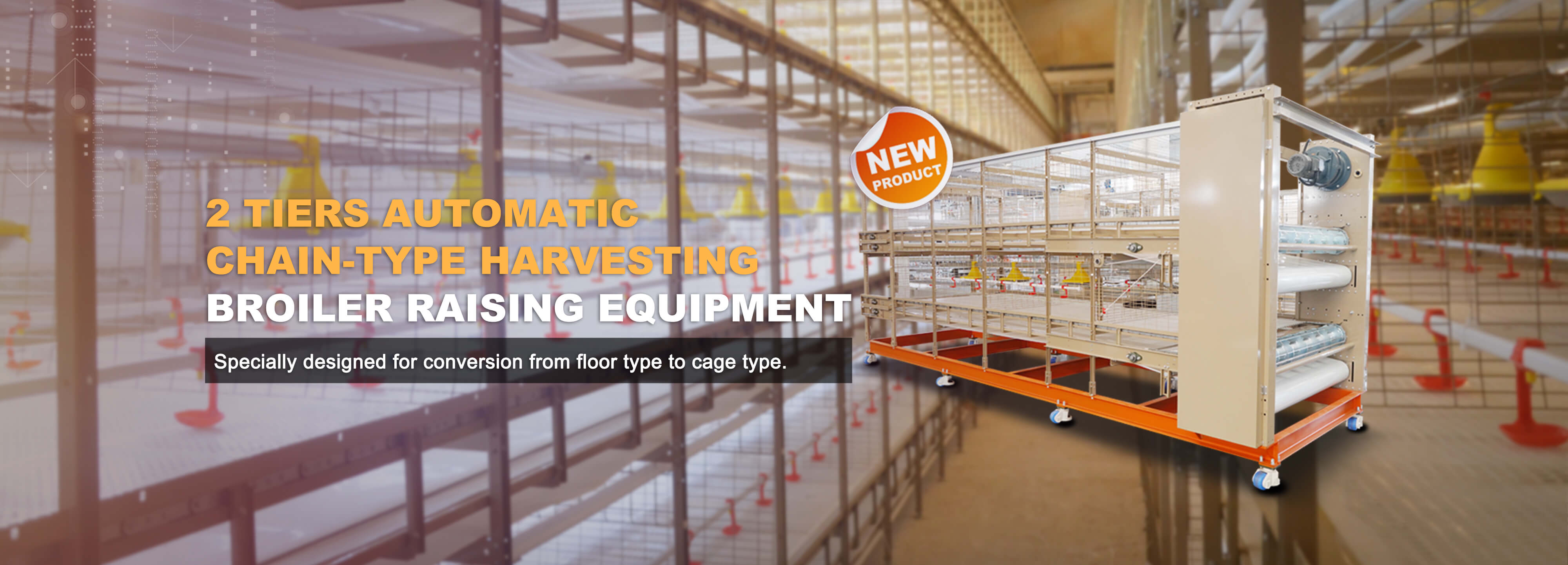
Chicken Layer Farm Supplier Is The Best
Top Selling Products
- Related Blog
- Reviews


Chicken Farm, Poultry Farm, Poultry Farm Equipment, Chicken Farms, Chicken Cage, Layer Cage,
No.6 Changcheng South Road, Chengyang District, Qingdao, China
Send your message to us:


