

Automated Laying Hens Cage Solutions from Leading Manufacturers
As a poultry farm owner, I know the importance of efficiency and productivity in laying hens. That’s why I’ve turned to automated laying hens cages designed specifically for optimal egg production. These cages not only maximize space but also streamline management processes, making it easier for me to care for my flock. Choosing the right manufacturer is crucial, and I’ve found that these advanced systems offer durability and reliability, ensuring my hens are comfortable and healthy. With features that promote cleanliness and reduce labor time, I can focus on growing my business rather than getting bogged down with manual tasks. Investing in automated laying hens cages is a game-changer for anyone serious about poultry farming. I'm convinced that partnering with reputable manufacturers who understand the needs of modern poultry operations is key to success, and it’s made all the difference for me.

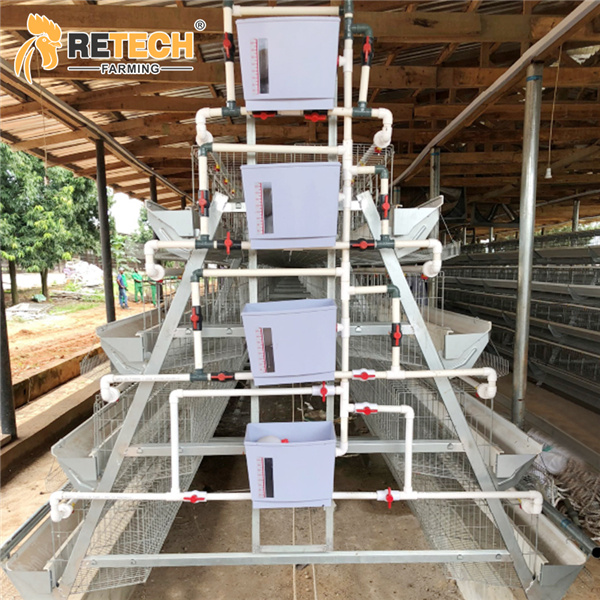

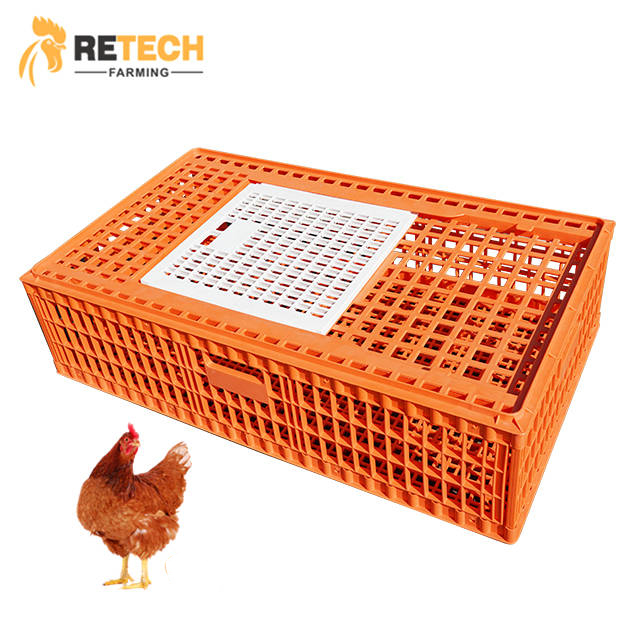
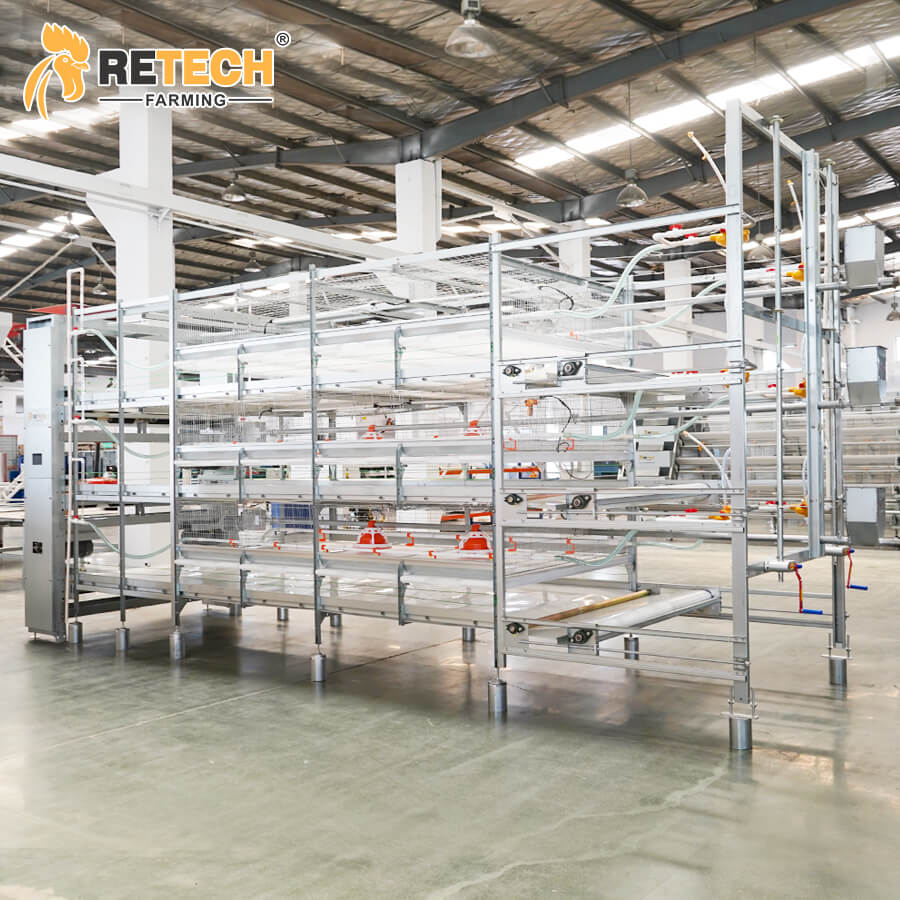
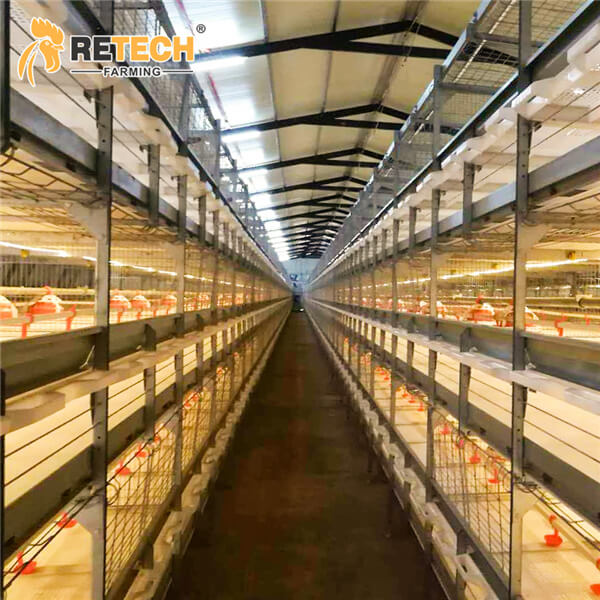
Laying Hens Cage Application Your End-to-End Solution
The poultry industry continues to undergo significant advancements, with a focus on optimizing egg production while ensuring the welfare of livestock. One of the most effective solutions in this regard is the implementation of modern laying hen cages. These cages are designed to maximize space, enhance productivity, and maintain hygiene, providing a comprehensive framework for efficient poultry farming. With a keen eye on animal welfare and environmental sustainability, the cages facilitate a healthier living environment for the hens while allowing farmers to achieve higher output with less resource input. As global demand for eggs rises, the need for innovative and reliable farming solutions becomes more pronounced. Laying hen cages serve as an end-to-end solution, integrating aspects of breeding, feeding, and management to streamline operations. By reducing manual labor and improving data management through automation, farmers can focus on strategic growth rather than being bogged down by everyday tasks. This not only enhances productivity but also ensures that the final product meets the highest quality standards sought by consumers worldwide. Investing in advanced laying hen cage systems means investing in the future of poultry farming. These systems are scalable, making them suitable for operations of any size, from small family-owned farms to large commercial enterprises. As the industry evolves, early adopters of these technologies will likely gain a competitive edge, positioning themselves as leaders in a market that increasingly prioritizes innovation and sustainability. By embracing these solutions, farmers can not only increase their yield but also contribute positively to the overall integrity of food production systems globally.
Laying Hens Cage Application Your End-to-End Solution
| Dimension | Data Point | Description |
|---|---|---|
| Cage Size | 60 cm x 40 cm | Standard space for each laying hen. |
| Number of Hens per Cage | 4 Hens | Optimal number for comfort and productivity. |
| Egg Production Rate | 85% | Percentage of hens laying eggs consistently. |
| Average Egg Weight | 60 grams | Typical weight for a standard large egg. |
| Feed Consumption | 120 grams/day | Average feed intake per hen. |
| Lifespan | 72 weeks | Expected productive lifespan of a laying hen. |
Related Products
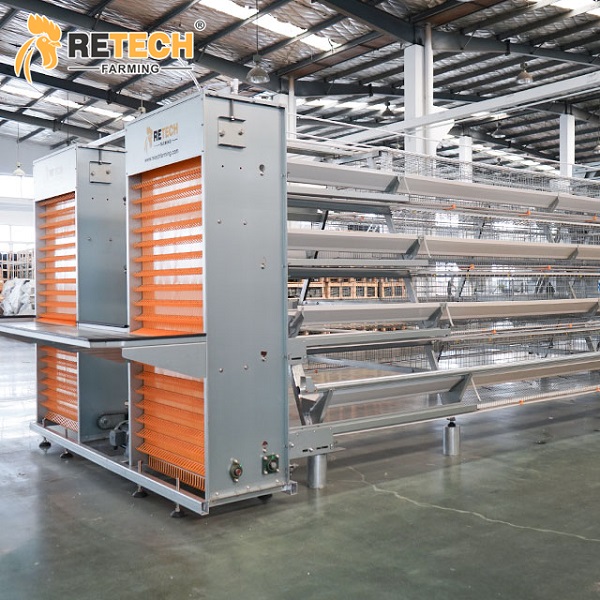
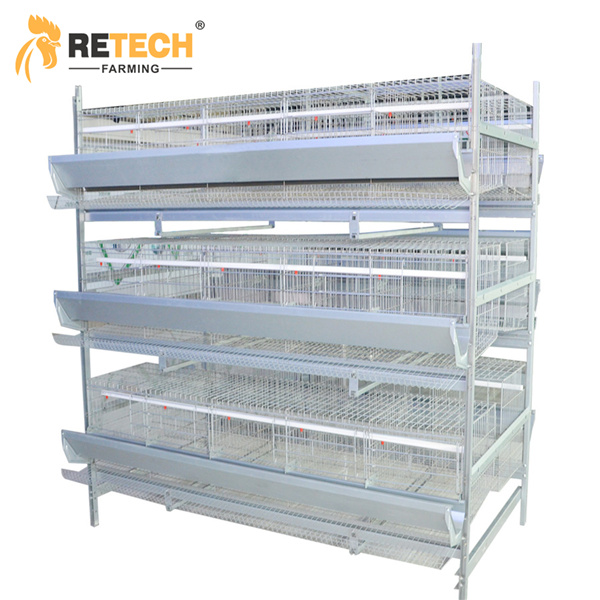
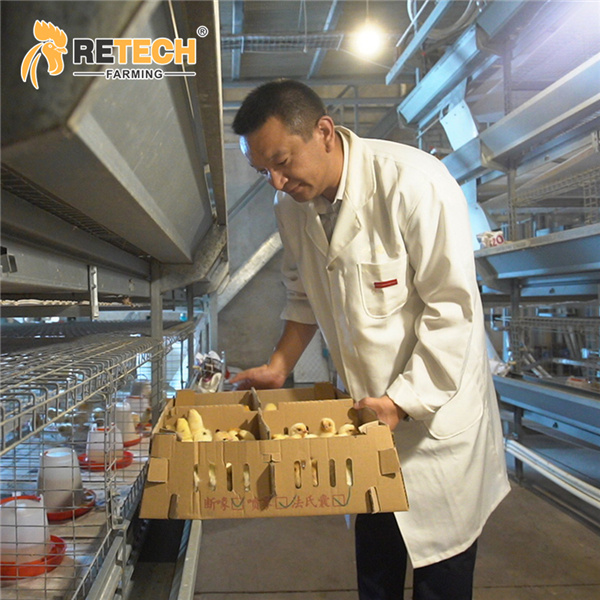

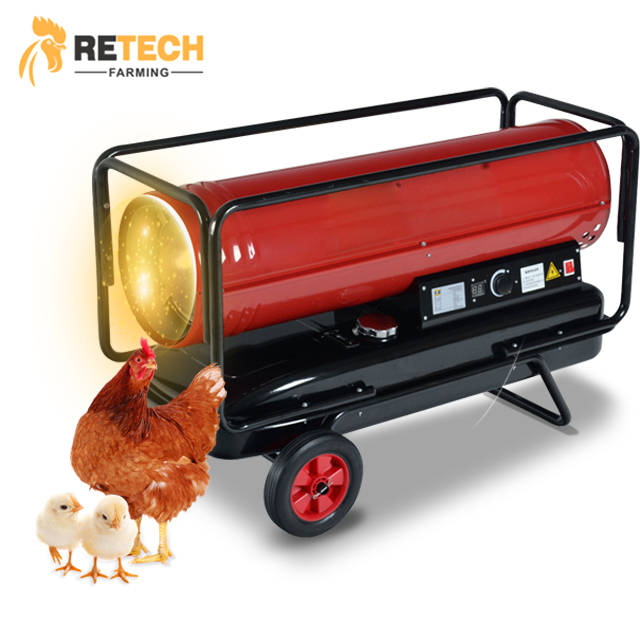
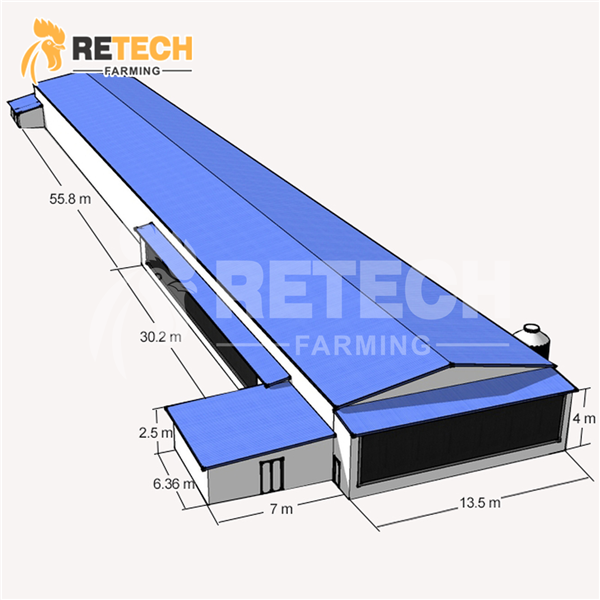
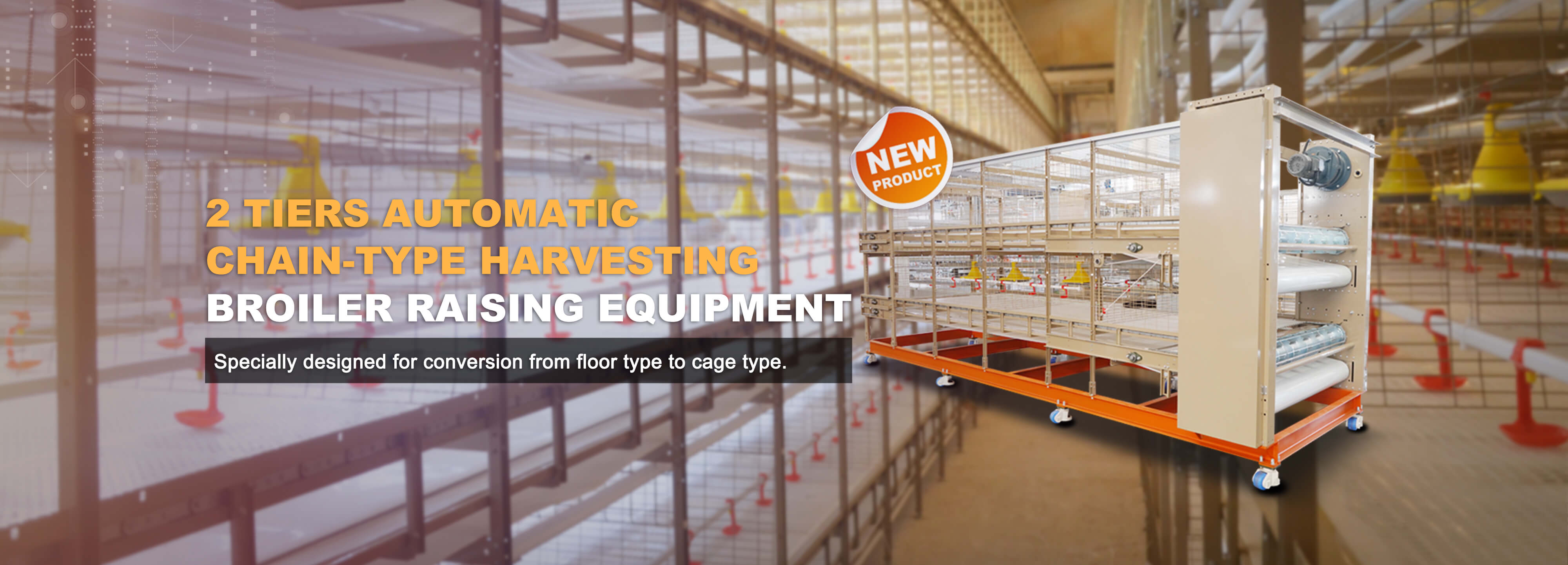
Laying Hens Cage Factory Industry Leaders
Top Selling Products
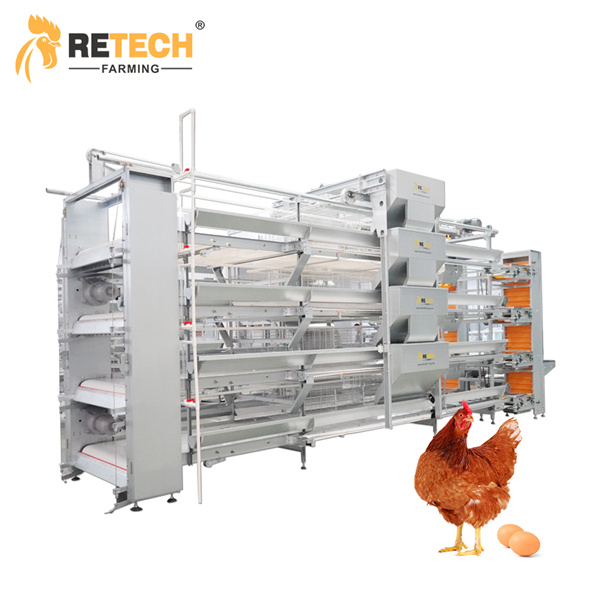
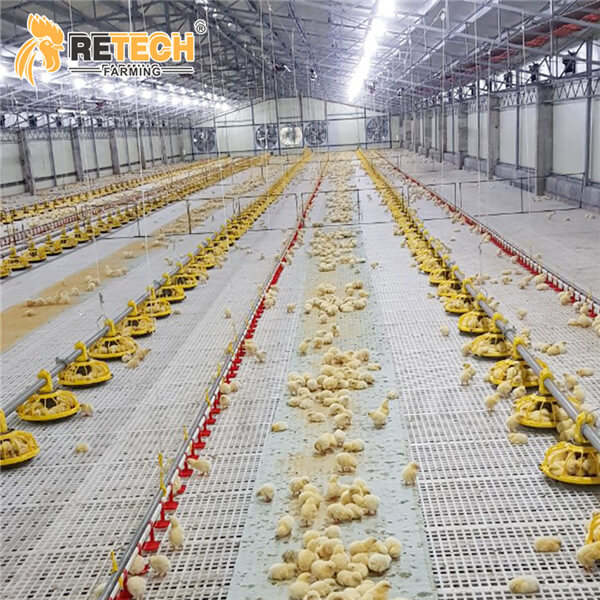

- Related Blog
- Reviews


Poultry House Equipment, Poultry Farm Equipment, Layer Cage, Chicken Farms, Poultry Farm, Chicken Cage,
No.82 Chunyang Road, Chengyang District, Qingdao, China
Send your message to us:


