
Automatic Layer Farming in Nigeria: Top Manufacturer Insights
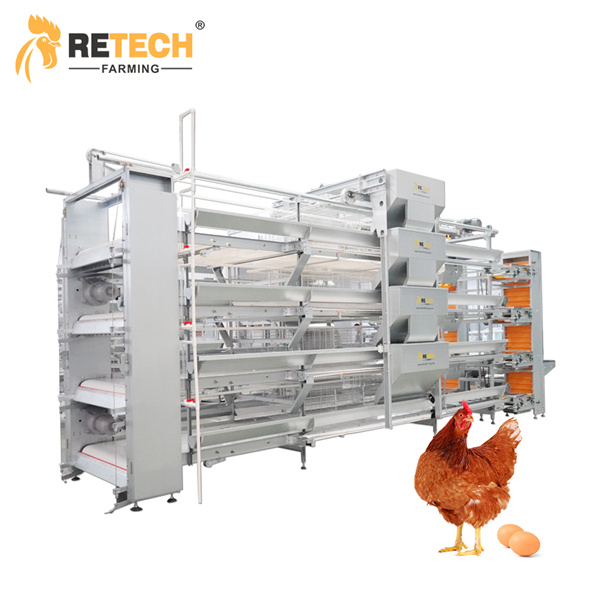
Are you exploring layer farming in Nigeria? I’m excited to share with you an innovative solution that’s set to transform your poultry operations. Our automatic layer farming systems are designed to enhance efficiency and productivity, making your investment worthwhile. As a trusted manufacturer, we focus on quality and sustainability, ensuring that our products meet the highest standards. With our advanced technology, you can streamline feeding, egg collection, and overall management—allowing you to save time and reduce labor costs. Imagine the ease of monitoring your flock with minimal intervention, all while maximizing your output! Whether you're a seasoned poultry farmer or just starting out, our systems are tailored to fit various scales of operation. We’re here to help you grow your business and tap into the booming market of layer farming in Nigeria. Let’s elevate your poultry farming experience together!

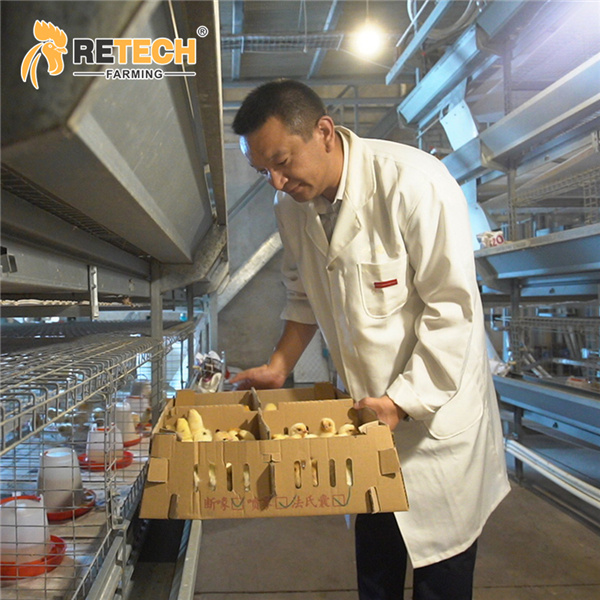
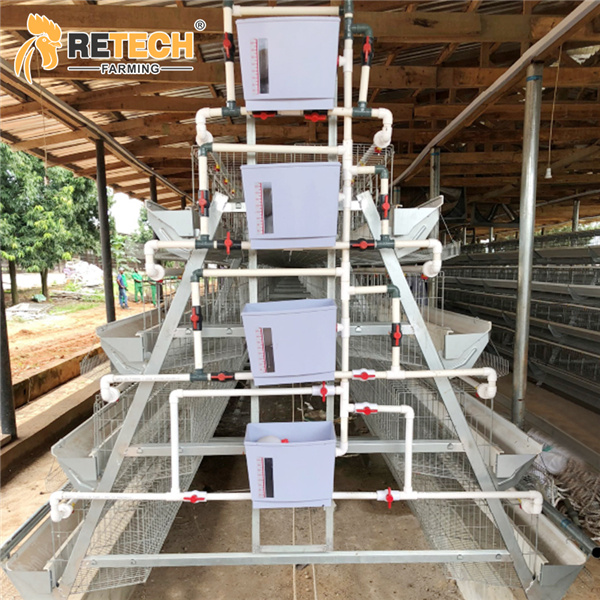
layer farming in Nigeria Industry Leaders Where Service Meets Innovation
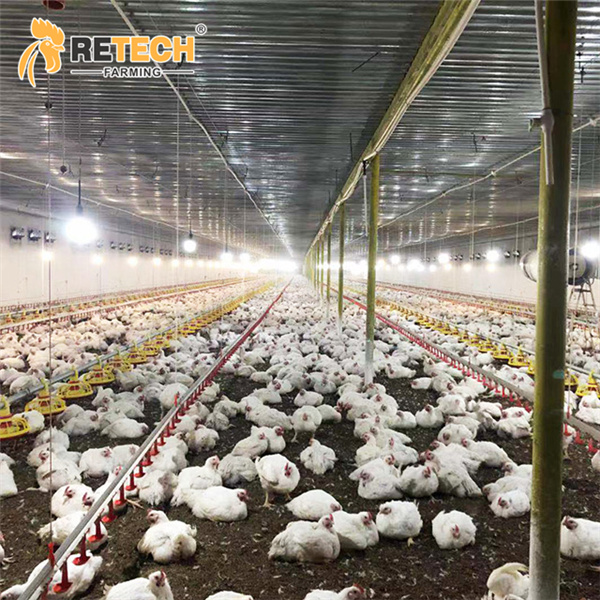
The agriculture industry in Nigeria is undergoing a significant transformation, particularly in the realm of layer farming. As demand for high-quality poultry products continues to rise, innovative solutions are emerging to meet the challenges faced by farmers in this dynamic sector. Layer farming represents not just a method of poultry production, but an opportunity for farmers to integrate technology and sustainable practices in order to maximize efficiency and yield. Industry leaders are increasingly turning to advanced farming technologies that prioritize animal welfare and environmental sustainability. Innovations such as automated feeding systems, climate control mechanisms, and digital monitoring tools are revolutionizing traditional farming methods. These advancements not only enhance productivity but also ensure that operations are more eco-friendly, appealing to the growing number of conscious consumers looking for ethically produced poultry goods. As the global market leans towards responsible sourcing, procurement professionals are keenly interested in identifying reliable partners within the Nigerian layer farming industry. Engaging with local experts who have a deep understanding of both traditional practices and modern innovations can lead to fruitful collaborations. Emphasizing service quality and innovative approaches will be key in establishing strong partnerships and driving the future of poultry farming in Nigeria, where agriculture meets cutting-edge technology.
Layer Farming in Nigeria - Industry Leaders: Where Service Meets Innovation
| Dimension | Data |
|---|---|
| Number of Farmers | 15,000 |
| Total Production Capacity (tons/year) | 200,000 |
| Number of Layers (in millions) | 3.5 |
| Innovative Technology Used | Automated Feeding and Monitoring Systems |
| Market Reach (Regions) | North, South, East, West |
| Sustainability Practices | Waste Recycling & Solar Energy Use |
| Training Programs Available | Yes |
Related Products
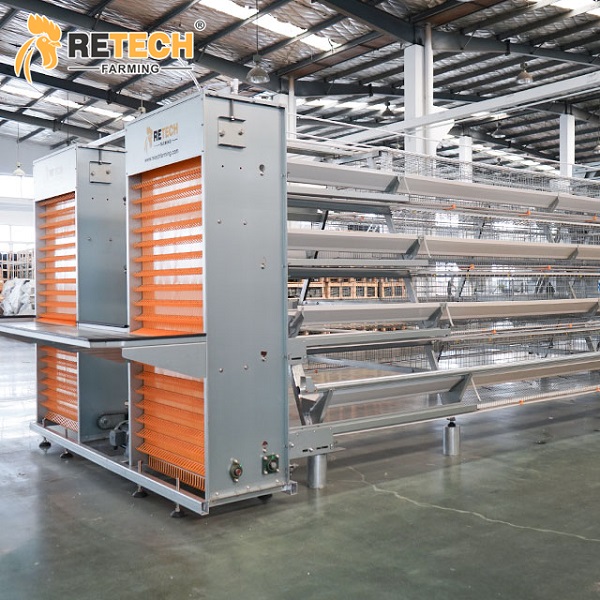
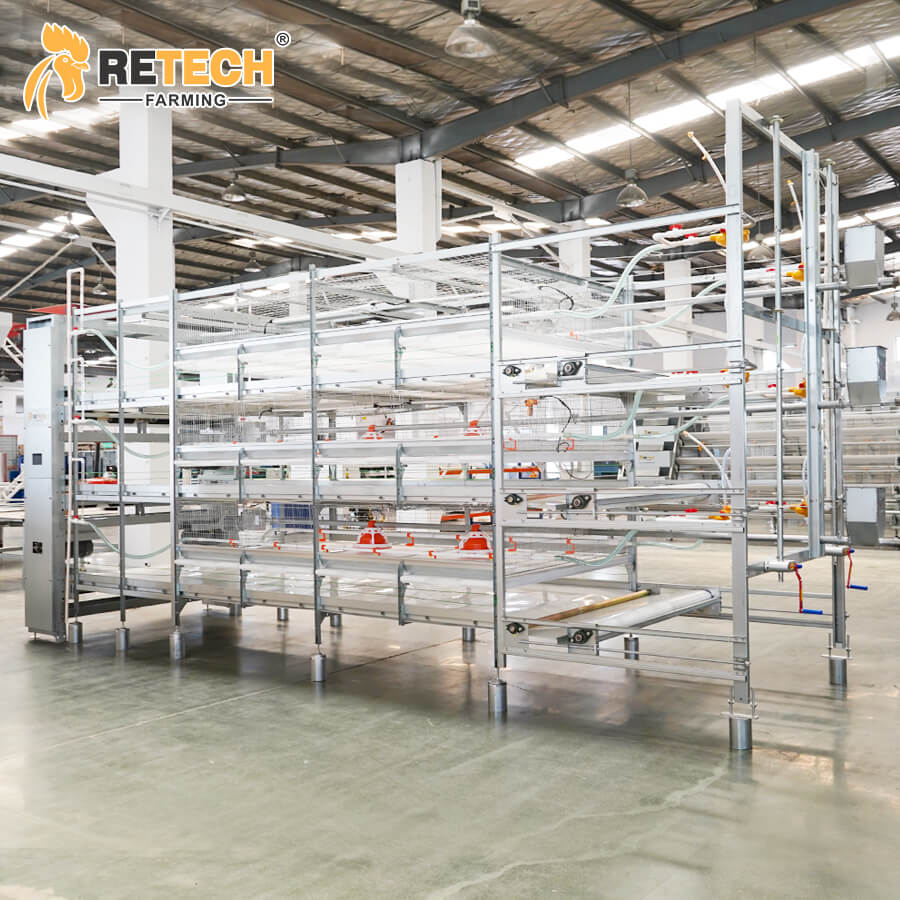


layer farming in Nigeria Market Leader Service Backed by Expertise
Top Selling Products
- Related Blog
- Reviews


Poultry Farm Equipment, Poultry Farm, Chicken Farms, Poultry House Equipment, Layer Cage, Chicken Cage,
No.82 Chunyang Road, Chengyang District, Qingdao, China
Send your message to us:


