
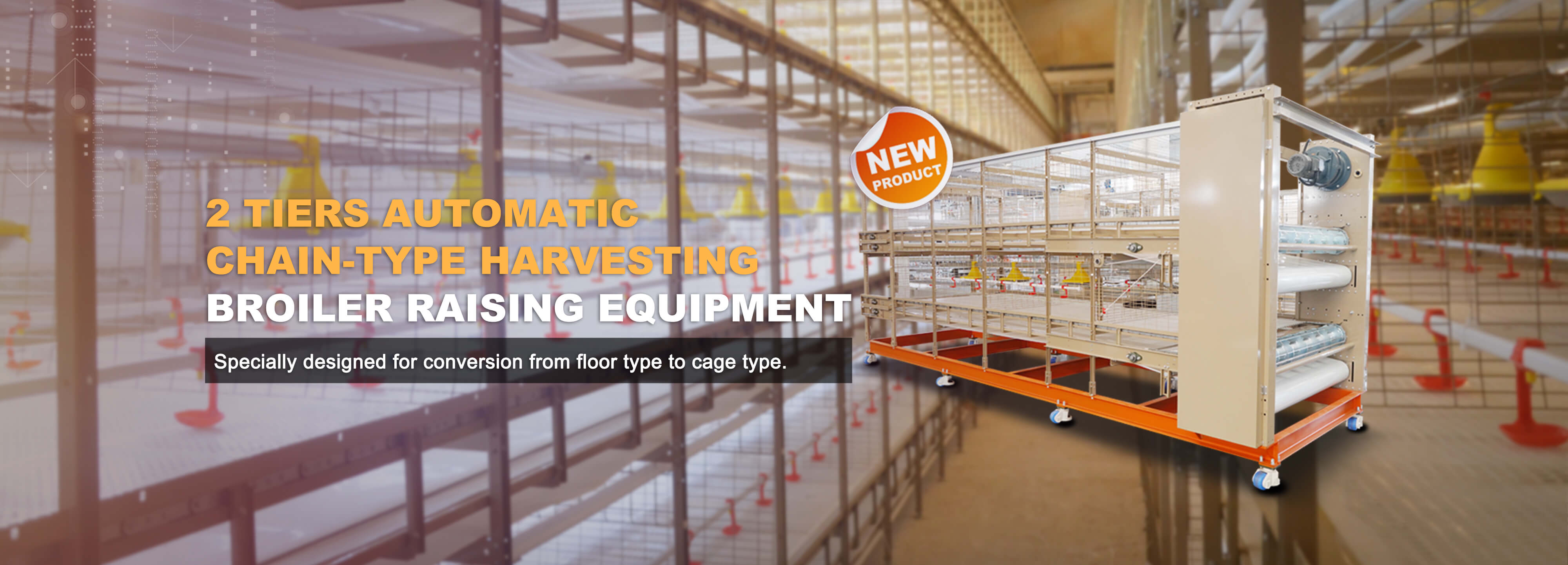
Automated Steel Structure Chicken House by Leading Manufacturers
As a B2B purchaser, I understand the importance of finding reliable and efficient solutions for poultry farming. My steel structure chicken house is designed specifically for modern farming needs. With a robust and durable design, it offers a safe environment for your birds while maximizing space. What sets this structure apart is its automated systems, making daily operations easier and more efficient. I fill this chicken house with features that enhance productivity, from climate control to automatic feeding systems. Partnering with trusted manufacturers, I ensure that high-quality materials and innovative technologies are used throughout the construction. This investment not only lowers maintenance costs but also boosts your poultry production in no time. Whether you're scaling up an existing farm or starting fresh, this steel structure chicken house meets your needs for durability, efficiency, and automation. Let's elevate your poultry farming experience together!
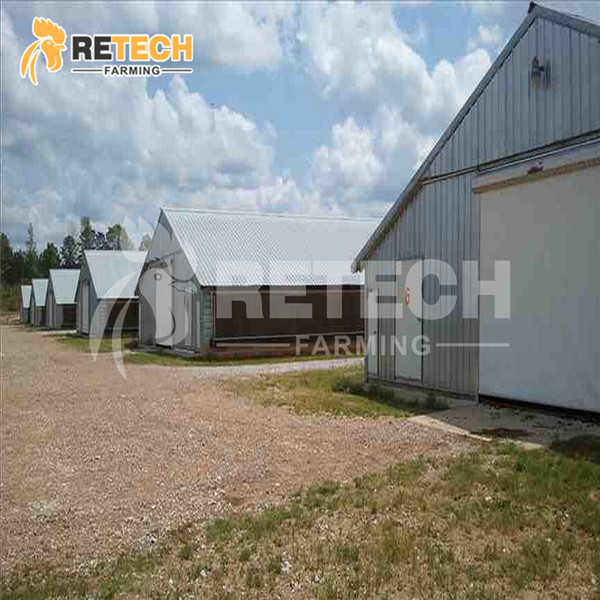
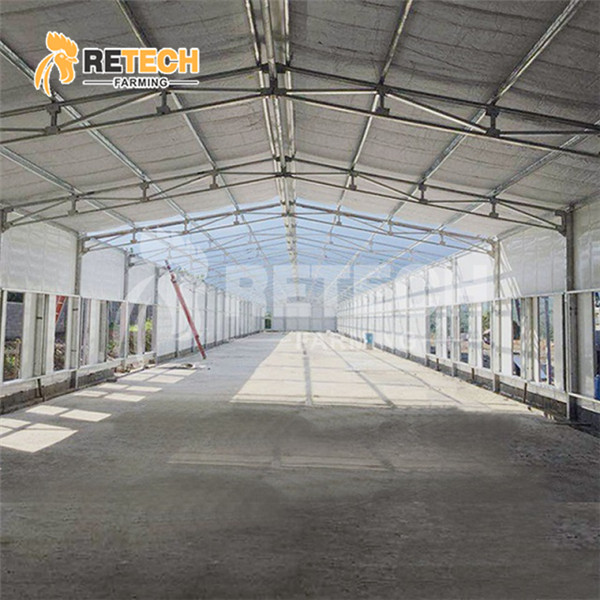
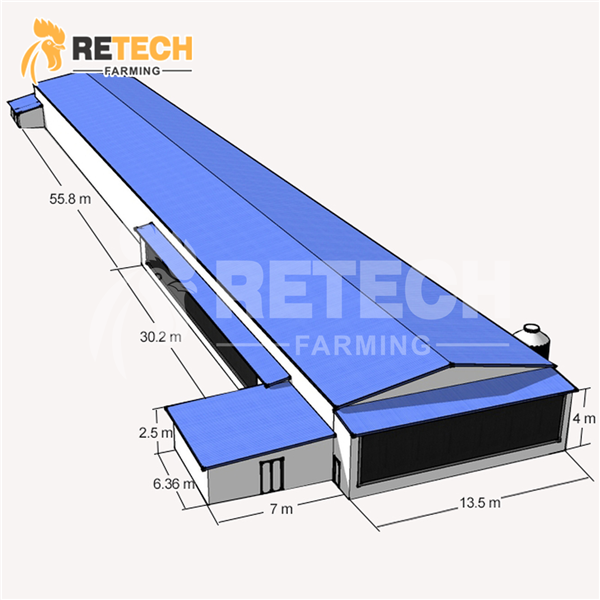
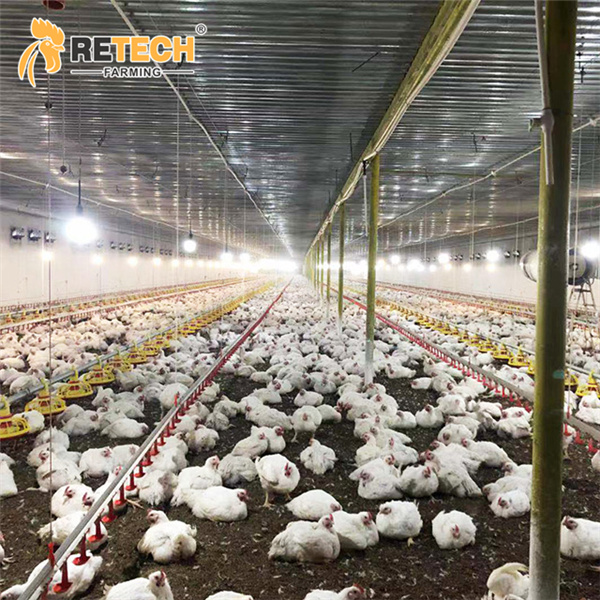
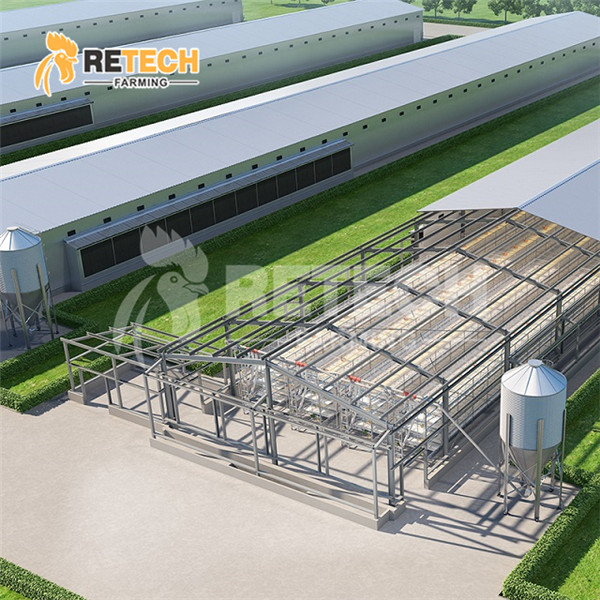

Steel Structure chicken house Delivers Unmatched Quality Service Backed by Expertise
When it comes to establishing a successful poultry farming operation, the structure of your chicken house plays a crucial role in ensuring the health and productivity of your flock. Steel structure chicken houses offer numerous advantages that distinguish them from traditional wooden alternatives. With unmatched durability, these steel constructions are not only resistant to adverse weather conditions but also provide excellent insulation, maintaining optimal temperatures year-round. This stability significantly contributes to the well-being of the chickens, leading to higher egg production rates and better overall health. Another key factor in choosing a steel structure is the expertise behind its design and implementation. Professionals who specialize in poultry house construction understand the specific needs of the birds, as well as the latest advancements in farming technology. This knowledge allows for the creation of customized solutions tailored to meet the demands of various climates and farming practices. By investing in a steel structure chicken house, global buyers can optimize their operations, ensuring a robust environment that fosters growth and efficiency while adhering to strict industry standards. Moreover, steel structures are cost-effective in the long run. Their longevity reduces maintenance costs, while their energy-efficient design lowers utility expenses. In an industry where margins can be tight, this makes a significant difference. For international buyers looking to enhance their poultry farming capabilities, selecting a chicken house that combines quality materials with expert design is key to achieving sustainable success. Embrace the future of poultry farming with innovative steel solutions that bring unparalleled reliability and performance to your operation.
Steel Structure Chicken House Delivers Unmatched Quality Service Backed by Expertise
| Feature | Description | Advantages |
|---|---|---|
| Material Quality | High-grade steel that is resistant to corrosion. | Long-lasting durability and reduced maintenance costs. |
| Design Flexibility | Customizable designs to suit different farm needs. | Optimized space utilization and enhanced functionality. |
| Insulation | Advanced insulation materials maintain temperature. | Improves chicken comfort and productivity. |
| Ventilation System | Integrated system that optimizes airflow. | Reduces heat stress and promotes health. |
| Installation | Quick assembly with prefabricated components. | Saves time and reduces labor costs. |
Related Products
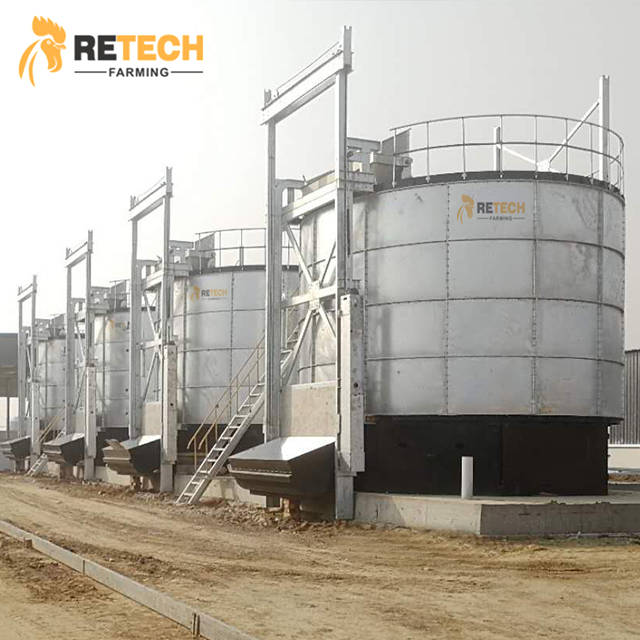

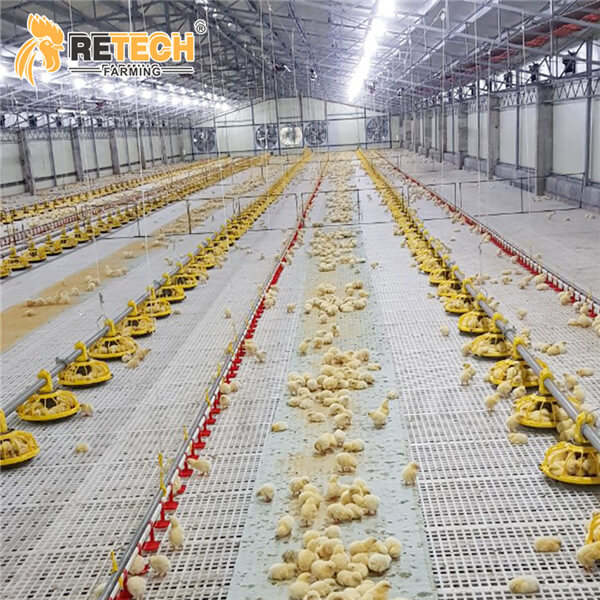
Steel Structure chicken house Custom Solutions, Where Service Meets Innovation
Top Selling Products

- Related Blog
- Reviews


Chicken Cage, Poultry Farm, Poultry Farm Equipment, Poultry House Equipment, Chicken Farms, Layer Cage,
No.82 Chunyang Road, Chengyang District, Qingdao, China
Send your message to us:


