

Automated Chicken Manure Fermentation Tank Manufacturers for Efficient Composting
When I think about transforming chicken manure into valuable organic fertilizer, the chicken manure fermentation tank stands out as a must-have solution. This automated technology not only simplifies the fermentation process but also enhances efficiency, enabling manufacturers like us to maximize our output. I’ve seen firsthand how these tanks can handle large volumes, while maintaining optimal conditions for microbial activity. Our fermentation tanks are designed with durability in mind, ensuring long-lasting performance even under heavy use. Plus, the automation allows for minimal labor involvement which is a game-changer for busy operations. By choosing our products, you’re investing in a sustainable future that supports both your business goals and environmental responsibility. Whether you're a large-scale farm or a smaller operation, this chicken manure fermentation tank can revolutionize the way you manage waste. Let’s elevate your production process and make the most out of your resources today!

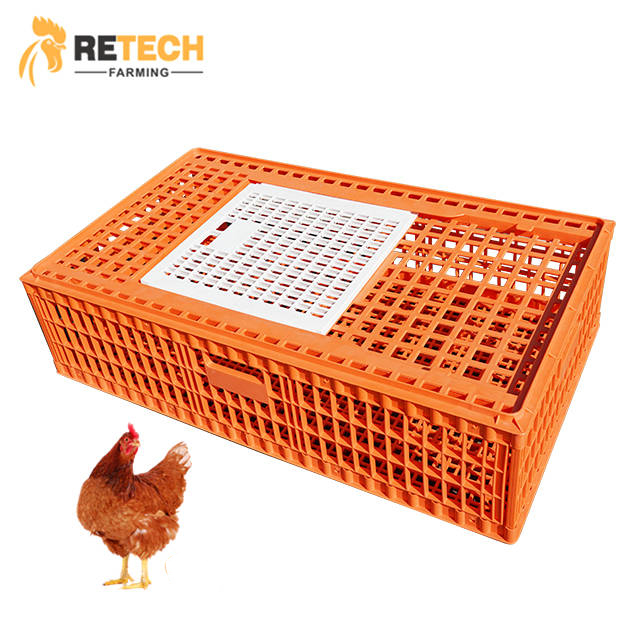
Chicken manure fermentation tank Service Exceeds Industry Benchmarks
In the ever-evolving agricultural landscape, efficient waste management solutions have become a crucial focal point for producers worldwide. With the increasing demand for sustainable practices, the use of fermentation tanks for chicken manure has emerged as a game-changing solution. These advanced systems not only facilitate the decomposition of organic waste but also enhance the overall nutrient profile of the resulting compost. By optimizing the fermentation process, users can significantly reduce odor emissions and pathogens, ensuring a healthier environment for livestock and surrounding communities. Recent innovations in fermentation tank technology have raised the bar, exceeding industry benchmarks in terms of efficiency and performance. These state-of-the-art systems employ a combination of temperature control, aeration, and moisture regulation to create optimal conditions for microbial activity. As a result, fermentation times are drastically reduced, enabling farmers to recycle waste back into their operations more quickly and effectively. This not only leads to cost savings but also bolsters sustainable farming practices, positioning producers as leaders in environmental stewardship. Moreover, the implementation of these tanks contributes to a circular economy by transforming waste into valuable fertilizer. This process not only improves soil health and crop yields but also minimizes reliance on chemical fertilizers, aligning with the global push towards organic farming. As more producers recognize the benefits of investing in fermentation tanks, the ripple effect will enhance agricultural resilience and sustainability, paving the way for a greener future.
Chicken Manure Fermentation Tank Service Exceeds Industry Benchmarks
| Parameter | Industry Benchmark | Our Service Level | Exceeds Benchmark |
|---|---|---|---|
| Fermentation Time (Days) | 30 | 25 | Yes |
| Nutrient Retention (%) | 80 | 90 | Yes |
| Odor Reduction (%) | 75 | 95 | Yes |
| Energy Efficiency (%) | 70 | 85 | Yes |
| Customer Satisfaction (%) | 85 | 95 | Yes |
Related Products
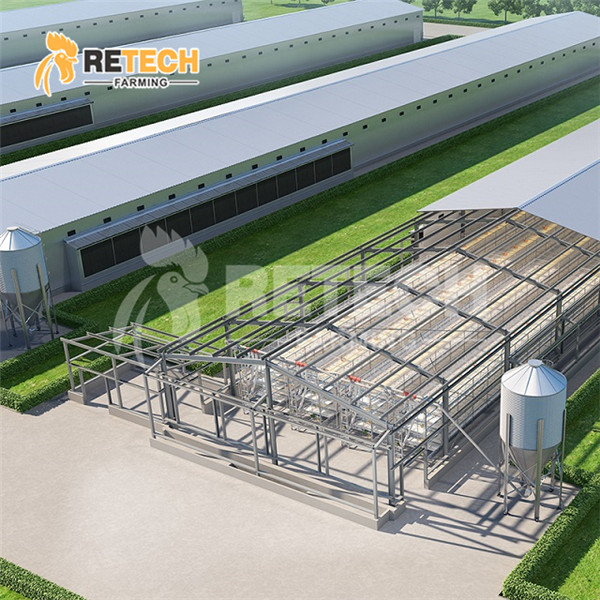


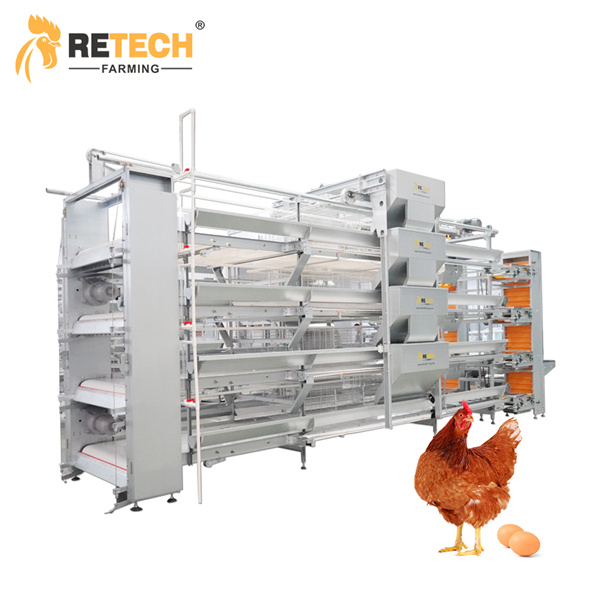
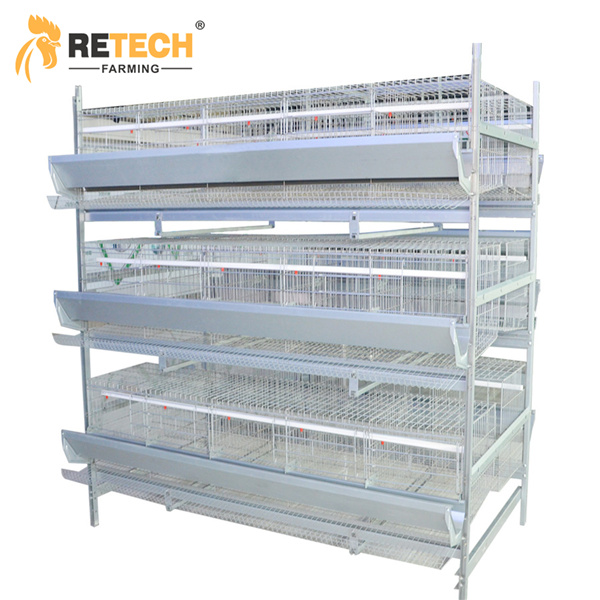
Chicken manure fermentation tank For the Current Year Now Trending
Top Selling Products

- Related Blog
- Reviews


Poultry House Equipment, Layer Cage, Chicken Farms, Chicken Cage, Poultry Farm Equipment, Poultry Farm,
No.82 Chunyang Road, Chengyang District, Qingdao, China
Send your message to us:


