
Automatic Chicken Houses: Top Manufacturers for Your Backyard Needs
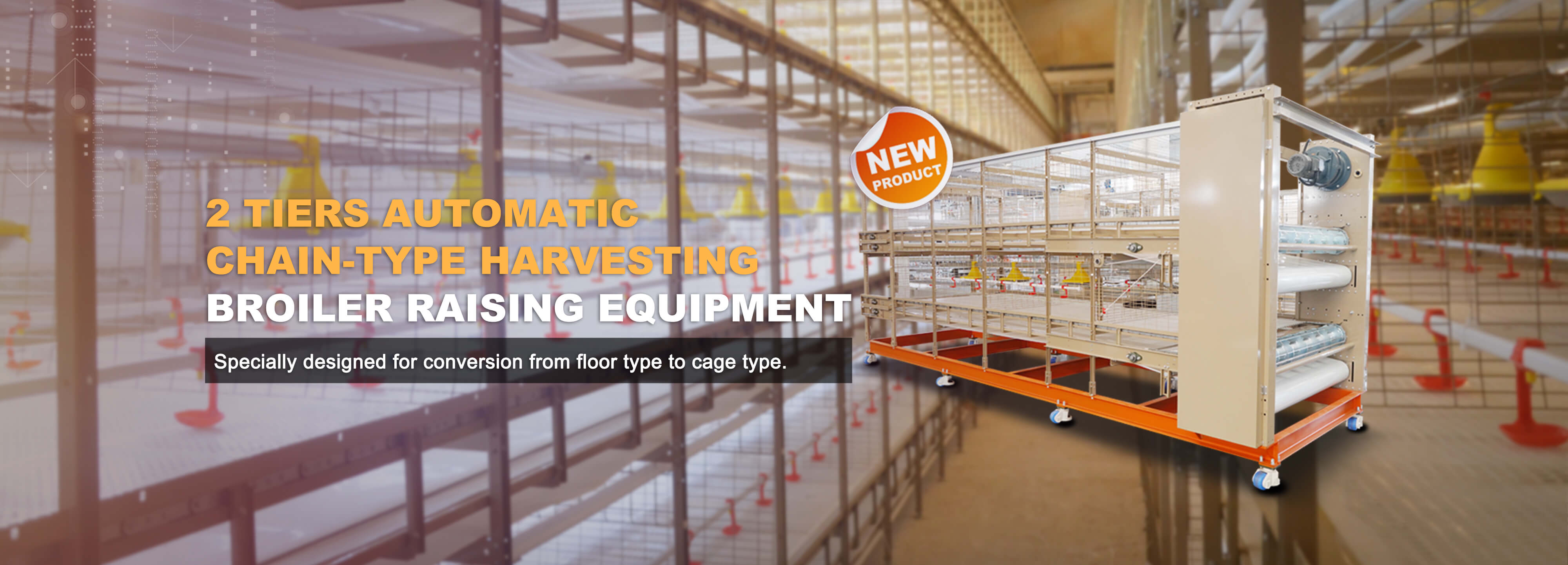
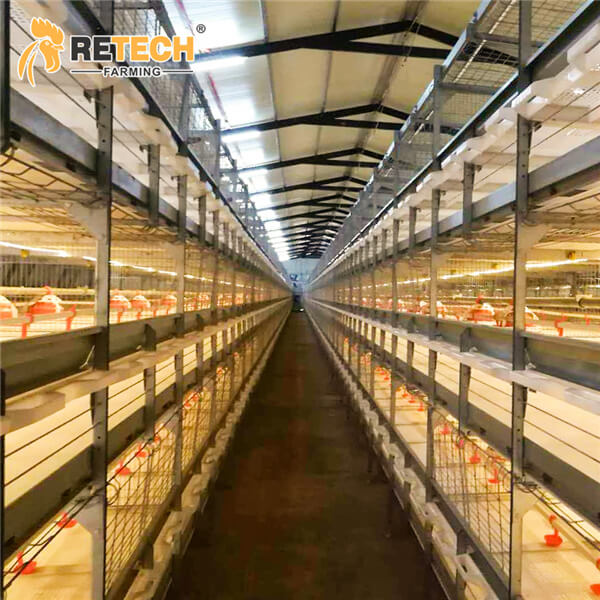
When I think about my needs for chicken houses, the importance of quality and functionality really stands out. I’ve explored many options, and I find that automatic systems offer a fantastic solution for efficiency. These chicken houses not only ensure optimal living conditions for my flock but also simplify my daily tasks, allowing for more time and less stress. As a manufacturer, our focus is on creating durable and reliable structures that meet the demands of poultry keepers. Each chicken house is designed with careful consideration, ensuring maximum ventilation and comfort for the birds. I appreciate that there are choices available depending on the size of my operation, making it easier to find the right fit. If you’re looking to enhance your poultry management, these automatic chicken houses could be just what you need. They provide innovative features without compromising on quality - a smart investment for the future of your business.

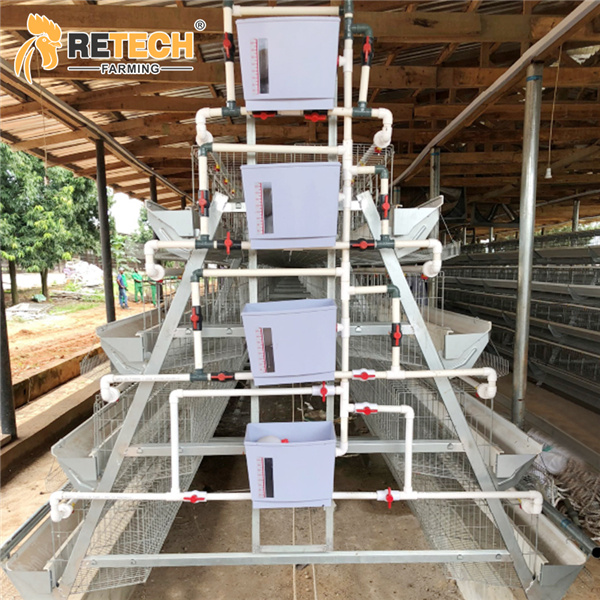
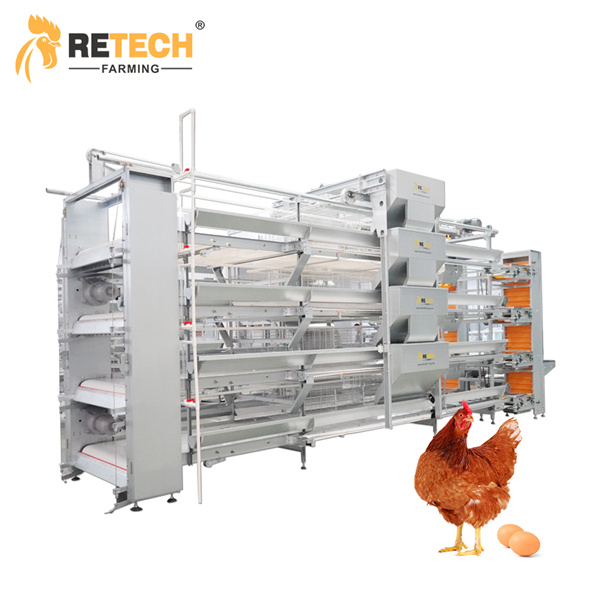
Chicken Houses Ahead of the Curve Leads the Global Market
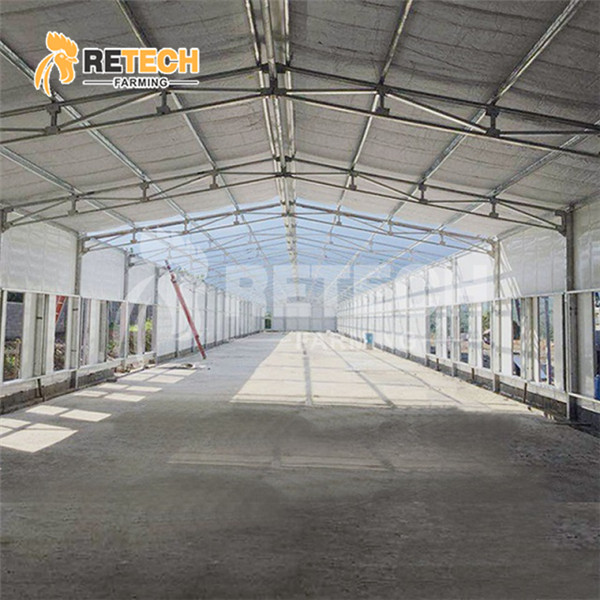
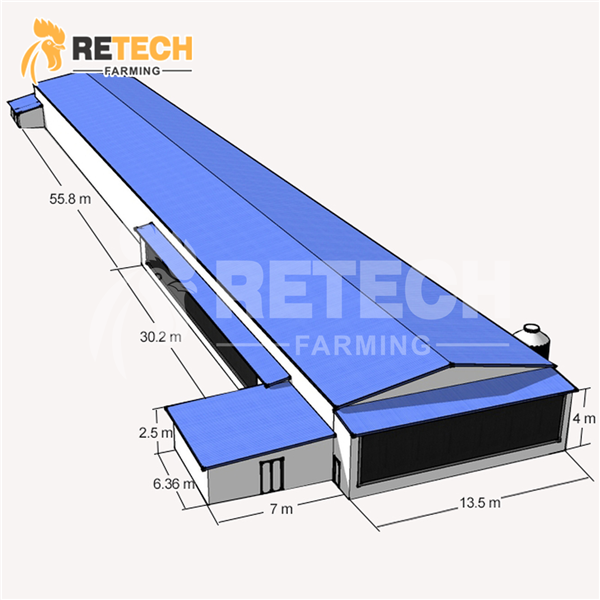
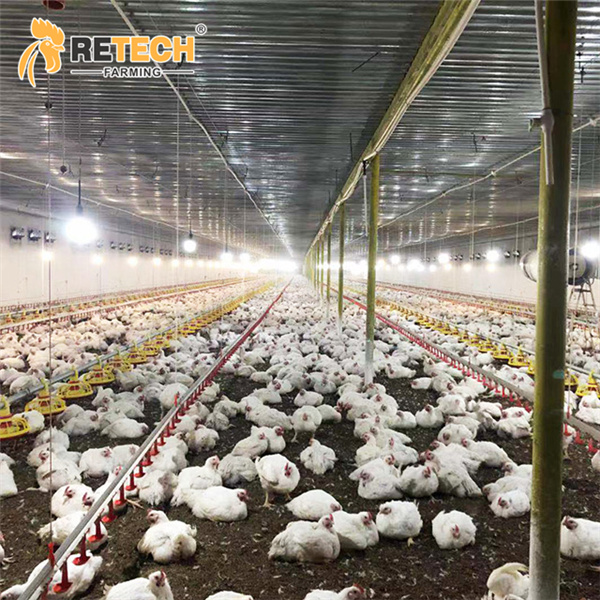
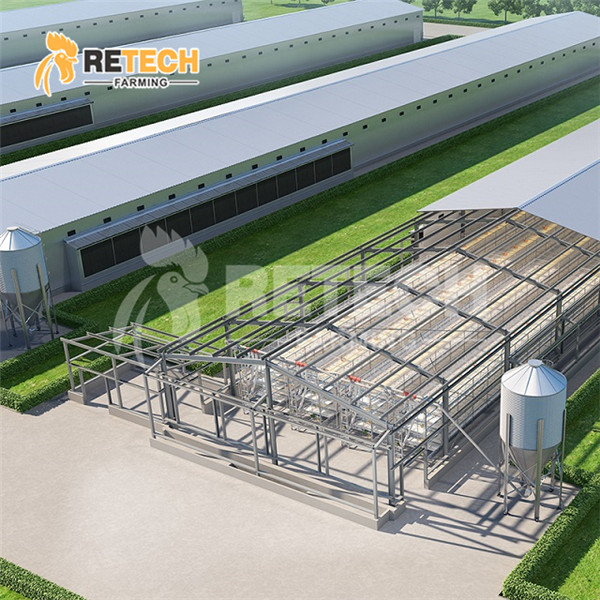
In the rapidly evolving agricultural landscape, innovation is paramount, especially in the poultry farming sector. Houses designed specifically for chickens are at the forefront of this change, offering advanced solutions that maximize efficiency and sustainability. With an increasing global demand for poultry products, the need for modern infrastructure that ensures optimal conditions for livestock has never been more critical. By focusing on the integration of technology and eco-friendly materials, these contemporary chicken houses not only enhance productivity but also reduce the environmental footprint of poultry farming. A significant advantage of modern chicken housing is the automated systems that regulate temperature, humidity, and ventilation, creating a stable environment that promotes healthy growth and minimizes disease risk. This automation not only simplifies management for farmers but also leads to significant cost savings through reduced labor and resource consumption. As global purchasers look for reliable partners, understanding the features that set advanced chicken houses apart is essential. These structures can accommodate various farming practices, ensuring adaptability to both small-scale operations and large commercial enterprises. Moreover, the shift towards sustainability in agriculture pushes industry players to adopt innovative practices. Energy-efficient designs, waste recycling systems, and water-saving technologies are essential for those seeking to thrive in a competitive market. As worldwide consumers become increasingly conscious of farm-to-table practices, investing in cutting-edge chicken housing aligns with a commitment to quality and sustainable development. For global buyers, embracing these advancements not only boosts productivity but also positions them as leaders in the poultry industry, prepared to meet both current and future demands.
Chicken Houses Ahead of the Curve Leads the Global Market
| Country | Market Share (%) | Annual Growth Rate (%) | Innovative Features |
|---|---|---|---|
| United States | 35 | 5 | Smart climate control |
| China | 30 | 7 | Automated feeding systems |
| Brazil | 15 | 6 | Energy-efficient designs |
| European Union | 12 | 4 | Sustainable materials |
| Australia | 8 | 3.5 | Integrated IoT solutions |
Related Products

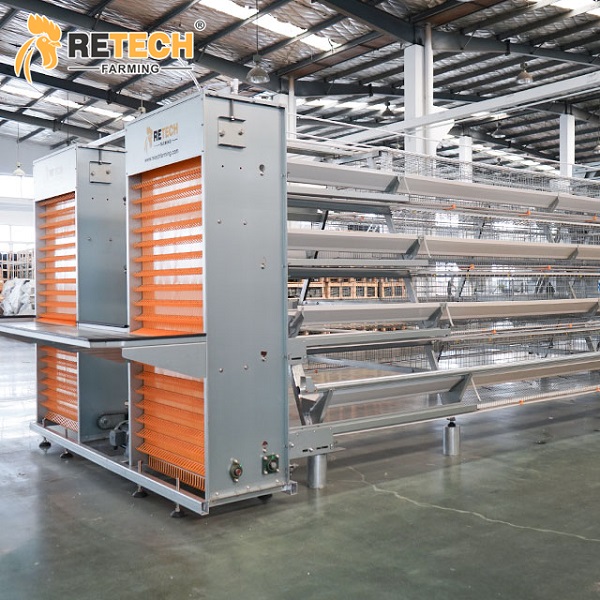
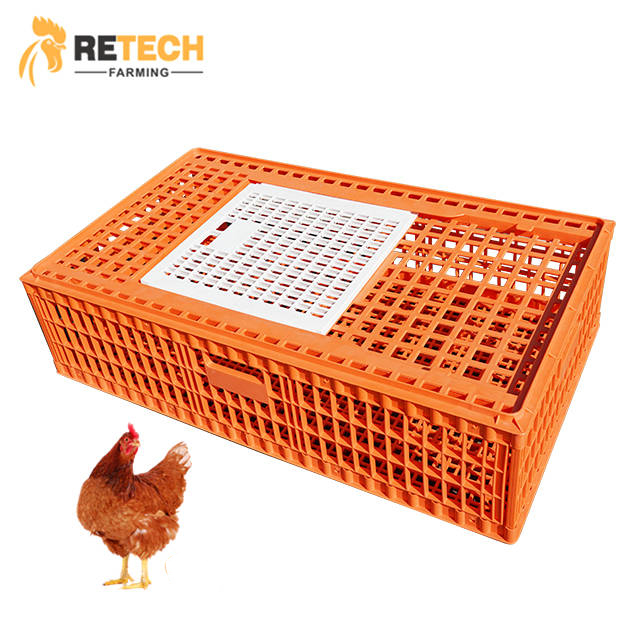

Chicken Houses Trusted by Pros More Than a Supplier - A Partner
Top Selling Products

- Related Blog
- Reviews


Chicken Farms, Layer Cage, Chicken Farm, Chicken Cage, Poultry Farm, Poultry Farm Equipment,
No.82 Chunyang Road, Chengyang District, Qingdao, China
Send your message to us:


