
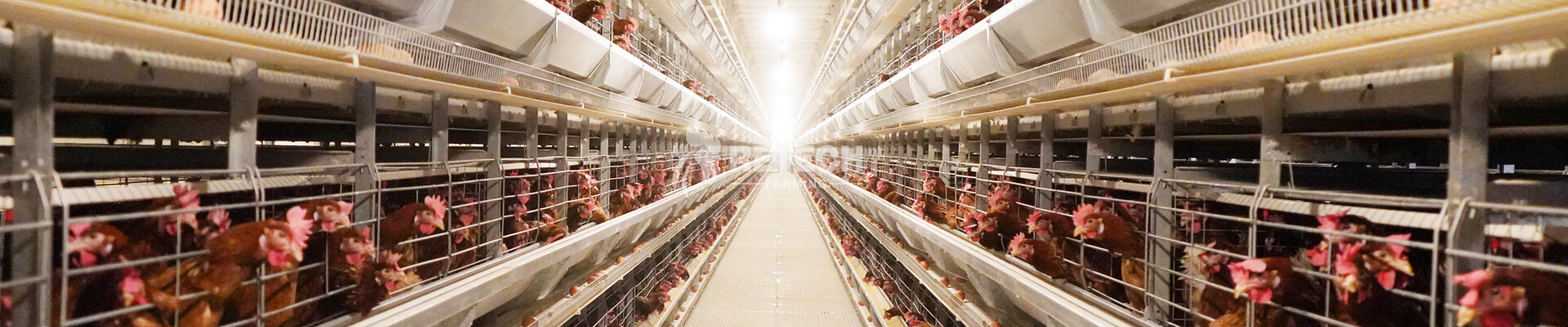
Broilers are currently the most common chicken breed in the poultry industry. Although more and more people are engaged in broiler farming nowadays, it is not easy to successfully raise broilers. To achieve good farming results, the management of the chicken houses is very important. Here, we will briefly introduce the meticulous feeding of broilers.
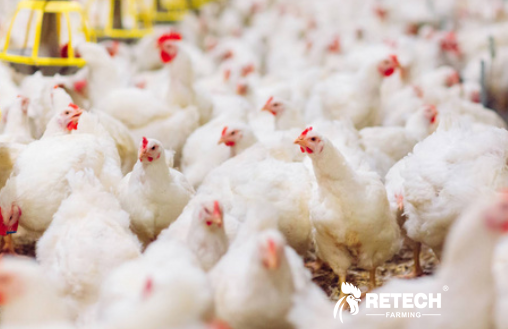
1.Carry out disinfection properly
Before introducing the chicks, thoroughly carry out disinfection work inside the chicken coop. Thoroughly clean the walls and floors inside, and then conduct disinfection. You can use formaldehyde and potassium permanganate for fumigation disinfection. Mix them in a ratio of 30ml of formaldehyde per cubic meter and 15g of potassium permanganate. Seal the room for 24 hours, then open the windows to release the gas and ventilate.
2. Strengthen management after hatching
① Temperature: The temperature for broilers is similar to that for laying hens. It is 33-34℃ for the first 3 days, then it decreases by 3℃ every week. The temperature in the house should be reduced until it reaches 21℃ and then stop. Observe the reactions of the flock. When they show no mouth opening or not clustering together, the cooling can be stopped.
② Density: Broilers grow rapidly, so they should be evenly distributed to ensure that the flock has balanced feeding and drinking, reducing feed waste and providing a good environment for rapid growth and development.
③ Feed: Use complete feed, and vitamin supplements can be added to the drinking water to enhance the ability to resist stress and diseases.
④ Lighting: Use full-day lighting for the first 3 days, then turn off the lights at 12:00 every night for 1 hour; or feed normally during the day and turn on the lights when feeding at night. This allows the chickens to eat, rest, and gain weight in an orderly cycle.
⑤ Ventilation: On the basis of maintaining warmth, strengthen ventilation to reduce harmful gases in the house and prevent the occurrence of diseases such as Escherichia coli and mycoplasma.
Retech’s broiler cage equipment helps with the intensive management and automated control of chicken houses. It features fully automatic feeding, drinking, chicken catching, manure cleaning, and environmental control systems, reducing manual labor and conserving resources, creating a comfortable growth environment for the chickens.
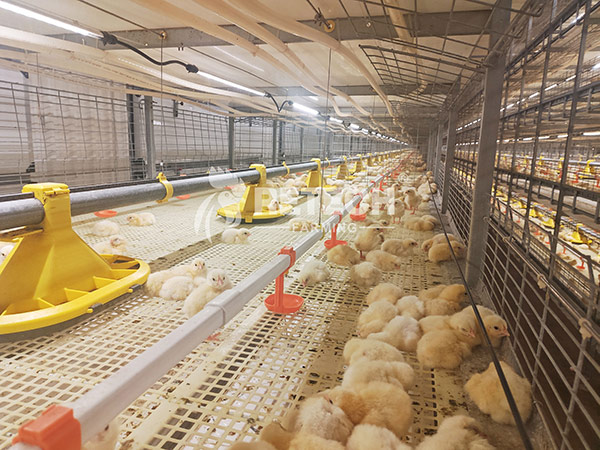
Intelligent environmental controller – RT8200
Adjusts the chicken house environment according to local climate, controls environmental factors such as temperature, humidity, and air supply, improves breeding efficiency, reduces workload, and saves manpower.
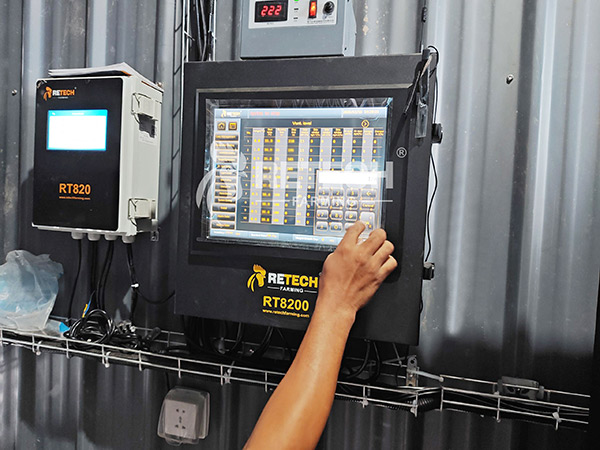
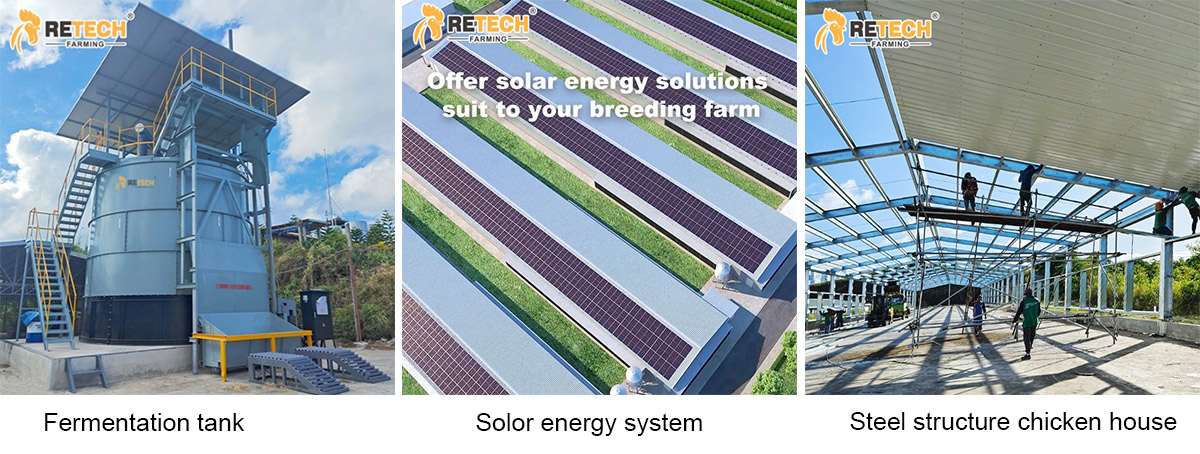
We also offer equipment for chicken coops:
1. Solar photovoltaic system
2. Chicken manure treatment equipment
3. Incubator
4. Broiler breeder chicken breeding equipment
5. Steel structure chicken coop buildings
3. Catching chickens promptly
Different breeds of chickens are captured at different times. To improve feed conversion rate and reduce feed costs, chickens must be sold at the appropriate time.
This is the introduction to the breeding techniques of meat chickens. From the above, we can see that doing a good job in the breeding of meat chickens is extremely important. During the process of breeding meat chickens, farmers should not only pay attention to the nutritional intake of the chickens, but also ventilation, temperature, humidity, and lighting are all indispensable important factors in the breeding of meat chickens. Therefore, in the actual breeding of meat chickens, farmers should take into account multiple aspects and multiple factors, and strive to do a good job in the breeding of meat chickens.
WhatsApp:+8617685886881
Email: director@retechfarming.com
Post time: Jun-25-2026


